Edith Pechey Phipson 1845 - 1908
“Everything was wanting except the patients”
Dr Edith Pechey
The First Woman Doctor in Yorkshire
-
Sophia Jex Blake
-
Mary Andersen
-
Emily Bovell
-
Matilda Chaplin
-
Helen Evans
-
Edith Pechey
-
Isabel Thorne
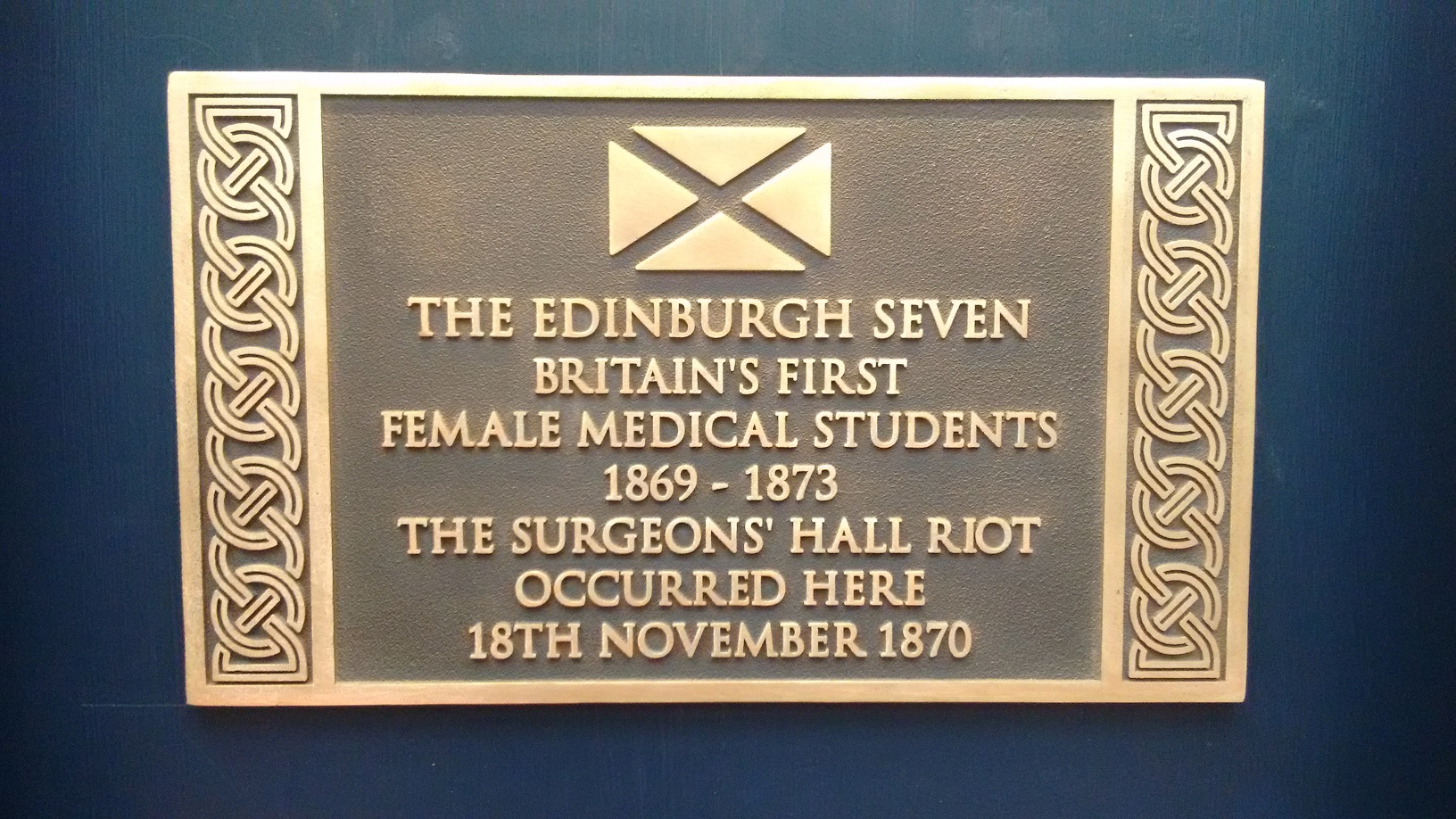
On International Women’s Day 2015 this plaque was unveiled in Edinburgh. It commemorates the first women to study at a British University, although they weren’t allowed to graduate. They wanted to study medicine so women patients might have the option to consult a female practitioner for specifically female health problems.
Edith Pechey was one of the "Edinburgh Seven" and she went on to become the first woman to practice medicine in England outside London when she opened her sugery in Leeds in 1877.
Early Years
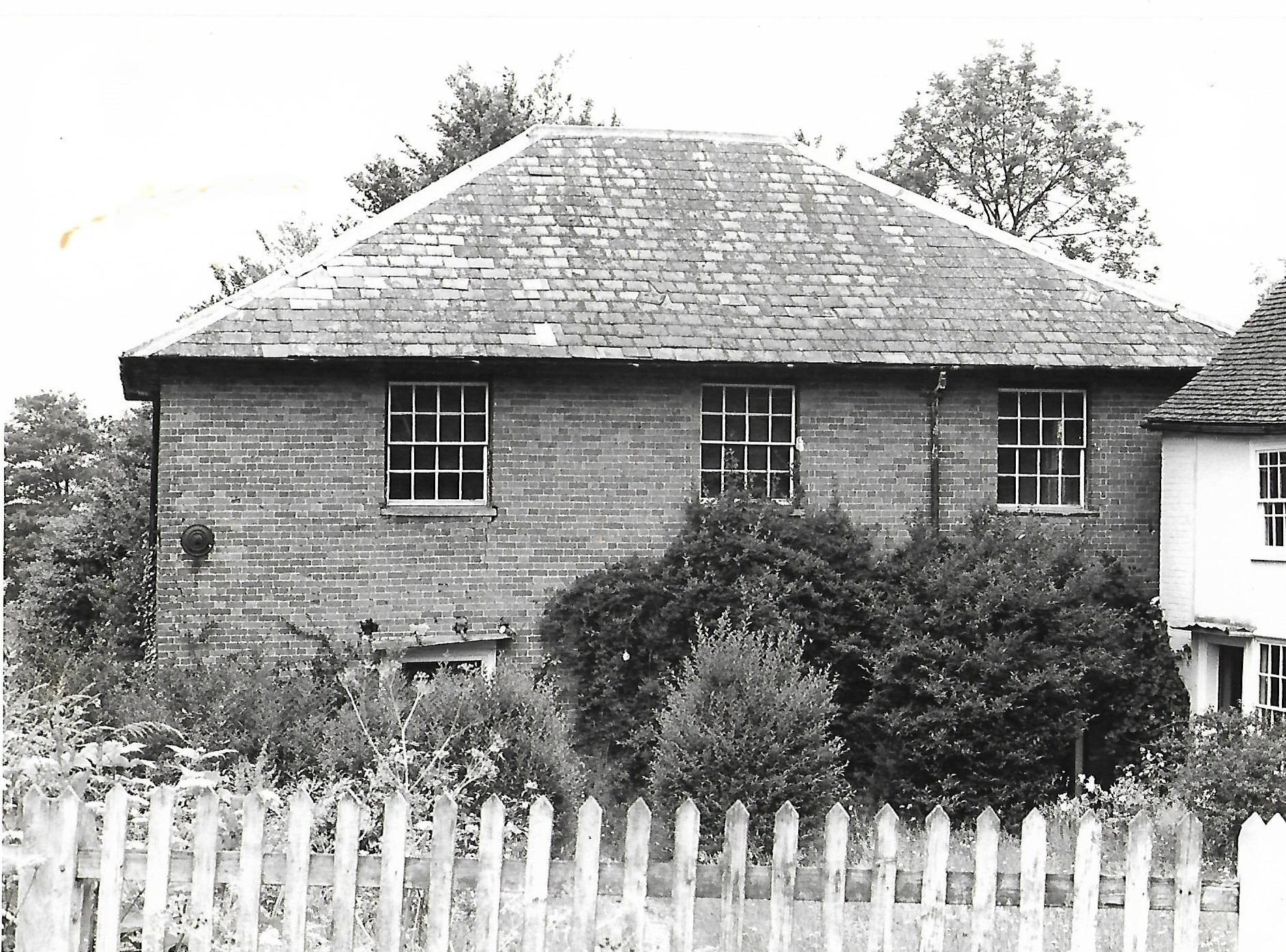
Mary Edith Pechey was born on 7 October 1845 in the village of Langham, near Colchester. She was the 6th child and 3rd daughter of William Pechey, a Baptist Minister and his wife Sarah. Her paternal grandfather was a surgeon
This is a picture of the Langham Baptist Chapel. The Manse provided for the Minister & his family was next door but, apparently, the Pecheys didn’t live there.
Edith's mother Sarah was described as “competent in Greek and other subjects”, academic skills unusual enough then to provoke comment. William Pechey’s stipend was the family’s only income: enough to live on but little to spare.
There is little information about Edith’s early life but Edith’s parents believed in education. Unusually for the time, their 4 daughters as well as their 3 sons were sent away to school. Edith recalled in a letter that she was interested in science, studying the butterflies and beetles as well as botany in the surrounding countryside.
All the Pechey children had to make their own way: the eldest brother died on his way to America and the other two brothers emigrated aged only 16 to join an uncle as land surveyors in Australia. But the only respectable way for a middle-class lady to earn her own living was by her needle or by teaching girls and it is as a teacher that Edith first found herself in Leeds.
First stay in Leeds - Teaching
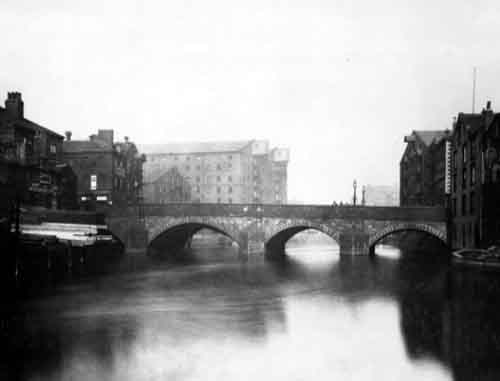
Leeds in the 1860s must have come as a massive culture shock to 18 year old Edith, arriving from an agricultural village of less than 600 people. A visitor from less rural Cambridge wrote how he reeled in horror from the crowds and noise, the pall of smoke that obscured the sun, the dirt, the cheek-by-jowl extremes of wealth and poverty.
The local middle-class, made prosperous by these very conditions would have been insulted by his complaints about the “absence of art, literature and science.” They were proud of the fine Town Hall (opened by the Queen) and municipal buildings, the Mechanic’s Institute, the new Victoria Hall concert venue; all the great national associations to do with science, education and social improvement came to Leeds for their conferences.
I can find no family connections here so she possibly obtained her teaching position through the Baptist church networks. It seemed she taught in a school for a few years and then became a governess in a wealthy household.
This was the great age of professionalization. The sons of the merchants and mill owners in the Northern Towns were creating and exploiting new opportunities in engineering, science and technology. The established trades like medicine and law needed to protect their hard-won social status. So, over the century, professional bodies were established to register practitioners and control standards by erecting educational barriers to training which was standardised and regulated.
Women, the working class and other undesirables were thus systematically excluded.
So, the only profession left to middle class women who needed to earn a living was to teach small children and girls. But some women teachers believed they too deserved formal training and recognized qualifications together with the professional status thus conferred. They formed a campaign group and, in October 1867, they arranged a conference in Manchester on women’s education. There was an active branch in Leeds but the membership records haven’t survived.
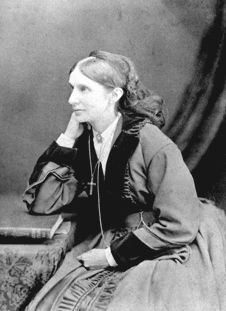
Sympathetic ladies from Leeds, Liverpool and Sheffield were invited to attend. These supporters agreed to form a Ladies Educational Association in each of these towns, to organise the university extension exams recently opened to women (Cambridge University opened their extension examinations (equivalent to A-levels) in 1866). Within a year, there were 12 such Educational Associations. The members soon realised that the women candidates required additional coaching, both in the subjects to be examined and in the art of passing exams. So, under the leadership of Josephine Butler (the wife of a Liverpool headmaster) a series of touring lectures was arranged by their umbrella organisation, under the unwieldy name of “the North of England Council for Promoting the Higher Education of Women”
The lectures were aimed at teachers but it soon became obvious that many other women saw the courses as a rare opportunity for personal intellectual development.
The first lecture of the first series was held in Leeds in December 1867. Over 200 women attended the full course & Edith Pechey was one of them. Such numbers reflect how the consciousness of academic disadvantage was widespread amongst women.
These lectures offer a possible explanation of how Edith met Josephine Butler, the President of the North of England Council, who visited Leeds to attend that first lecture. Josephine Butler was already a high-profile member of campaigns to open universities, higher education & medical schools to women and Edith seems to have confided her ambitions to Mrs Butler.
Women in Medicine
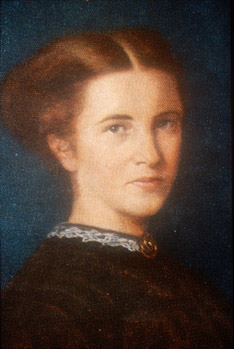
The first British woman doctor was Elizabeth Garrett, (later Garrett Anderson) but, when she opened her London practice in 1865, she did so as a Licentiate of the Society of Apothecaries, a far less prestigious qualification. No medical school or training hospital would accept her and she only gained her Apothecary’s licence because her father threatened a law suit if she were prevented from sitting the final exam.
Elizabeth Garrett gained her training by exploiting loopholes in the existing system but, in every case, the loophole was swiftly closed after her to prevent others following her example. The campaigns to open both university education generally and the medical profession specifically to women developed simultaneously out of her struggle to qualify.
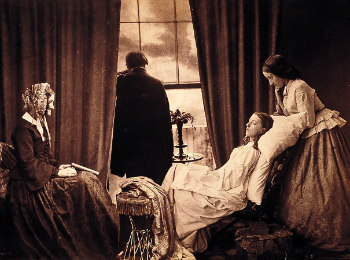
Reformers argued women doctors were needed because some women were prepared, quite literally, to die rather than discuss intimate symptoms with a male doctor. The prevailing belief was that, even in good health, women were weaker physically and mentally than men. In fact, the ideal 19th century woman might be characterised as an ignorant, silent, obedient, passive invalid. Alas, not many of those around, even then, and especially not in Yorkshire. Doctors insisted that any form of intellectual activity would irrevocably damage a woman’s reproductive organs and render her so ugly as to be unmarriage-able. No woman could be trusted with responsibility or decision making or money.
Of course, at the most basic level, doctors were protecting a lucrative part of their practice. Over the previous century, male doctors had encroached upon traditionally female medical skills, such as midwifery, to provide a reliable income stream BUT obstetrics, gynaecology and midwifery remained optional - not compulsory - subjects for medical students.
The Edinburgh Seven
Initial Application
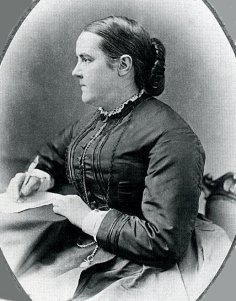
Josephine Butler was editing a book of essays on The Education & Employment of Women. The essay about why women should be allowed to train as doctors was written by Sophia Jex-Blake.
Sophia was an independently wealthy young woman. She had studied medicine in Boston for a year before her father’s death necessitated a return to London. She too applied to all the British medical schools without success.
In April 1869, her application to Edinburgh University was rejected because it was “too difficult to make temporary arrangements in the interests of one lady.”
This was not a reference to the toilet facilities. Prevalent perceptions of what constituted “decency” meant the university authorities felt unable to provide mixed gender lectures in subjects such as anatomy or dissection. Indeed, soon after the Surgeons’ Hall Riot, a male supporter raised a laugh by suggesting the women medical students should be kept off hospital wards in deference to the delicate feelings of male students.
Sophia saw an opportunity in the wording of this particular rejection. She advertised in The Scotsman and The Times for other women applicants.
Josephine Butler wrote to her: “I saw a Miss Pechey at Leeds, who wishes to become a doctor. She did not seem to me very clever, but very steady and nice – a silent, quiet woman.”
Edith wrote to Sophia: “Before deciding finally to enter the medical profession, I should like to feel sure of success – not on my own account, but I feel that failure now would do harm to the cause…Do you think anything more is requisite to ensure success than moderate abilities and a good share of perseverance? I believe I may lay claim to these, together with a real love of the subjects of study.”
Sophia made a new joint application to Edinburgh for herself and six others. They adopted the motto “Septem Contra Edinam” a reference to Sophocles play “Seven Against Thebes” and they have gone into history as “The Edinburgh 7”.
She agreed in advance to separate classes - which the women had to arrange for themselves with sympathetic male professors - and she agreed to guarantee whatever minimum fee the University might fix for these. The guarantee demanded was designed to deter: £100 per subject and each woman was charged 10 guineas per class (the male students paid only 4 guineas); this at a time when a female teacher might earn £30 a year. Edith was alarmed: “I am afraid I shall not be able to afford more than double the usual fees for a man,” she wrote to Sophia.
Studying at Edinburgh
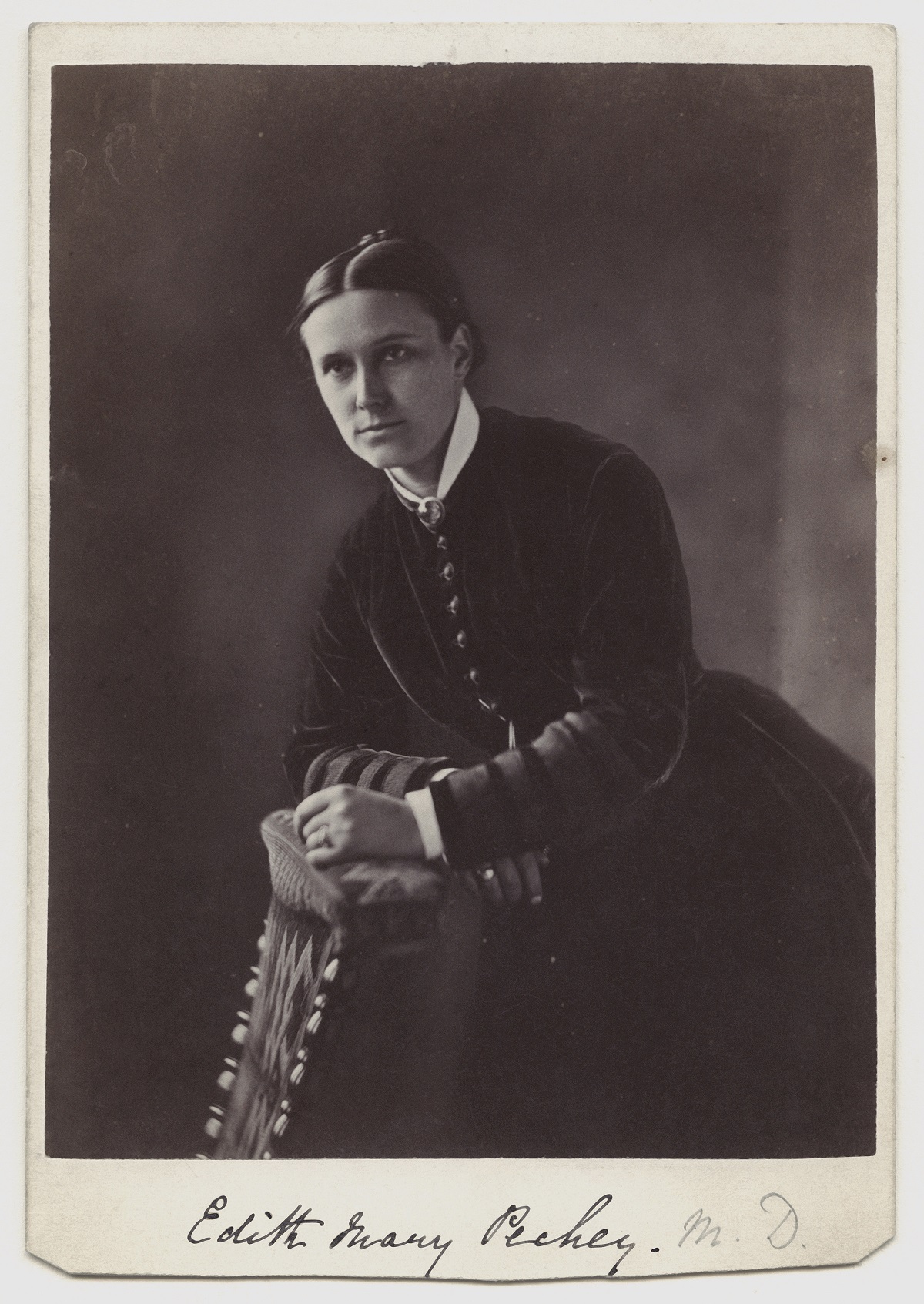
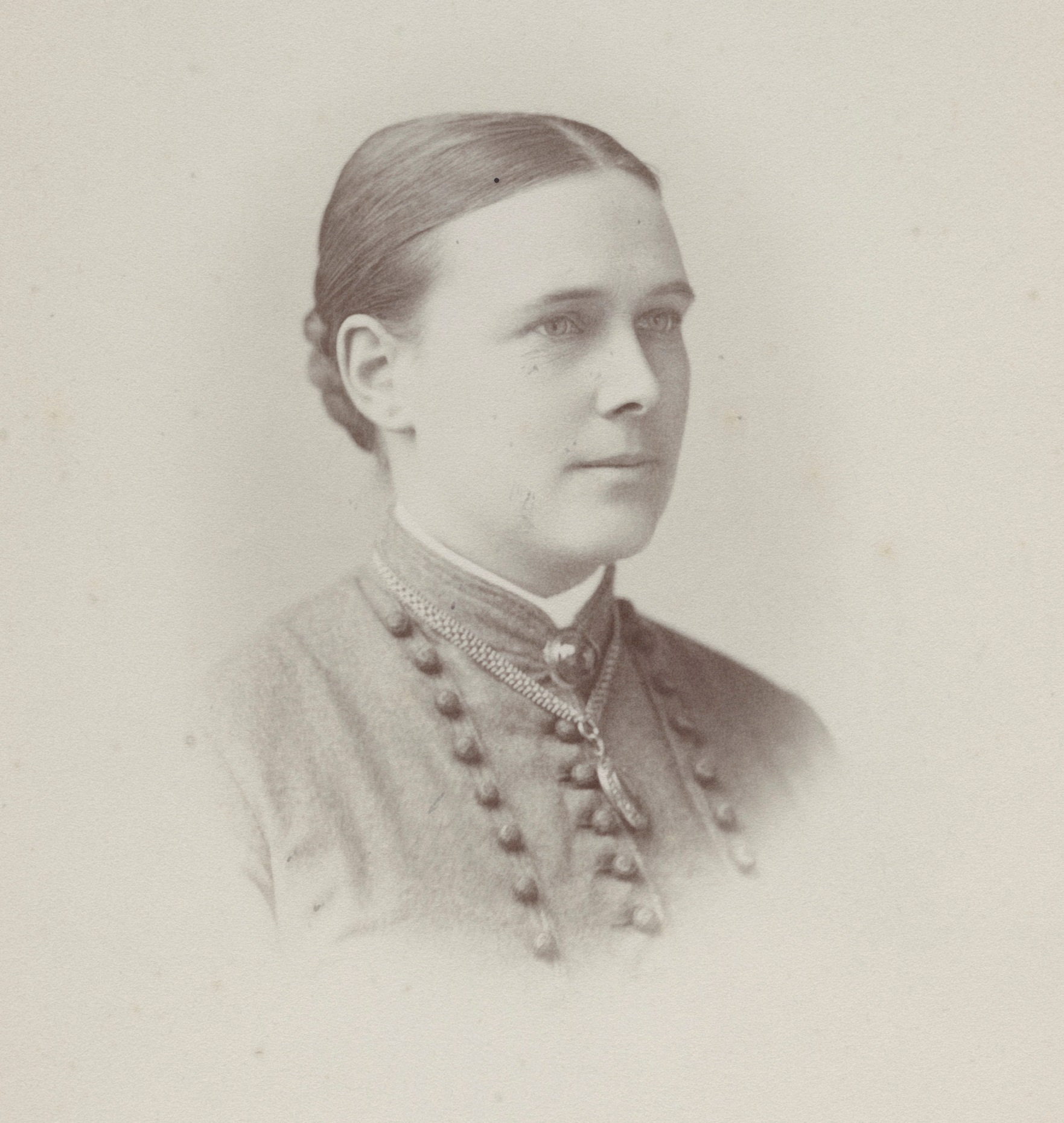
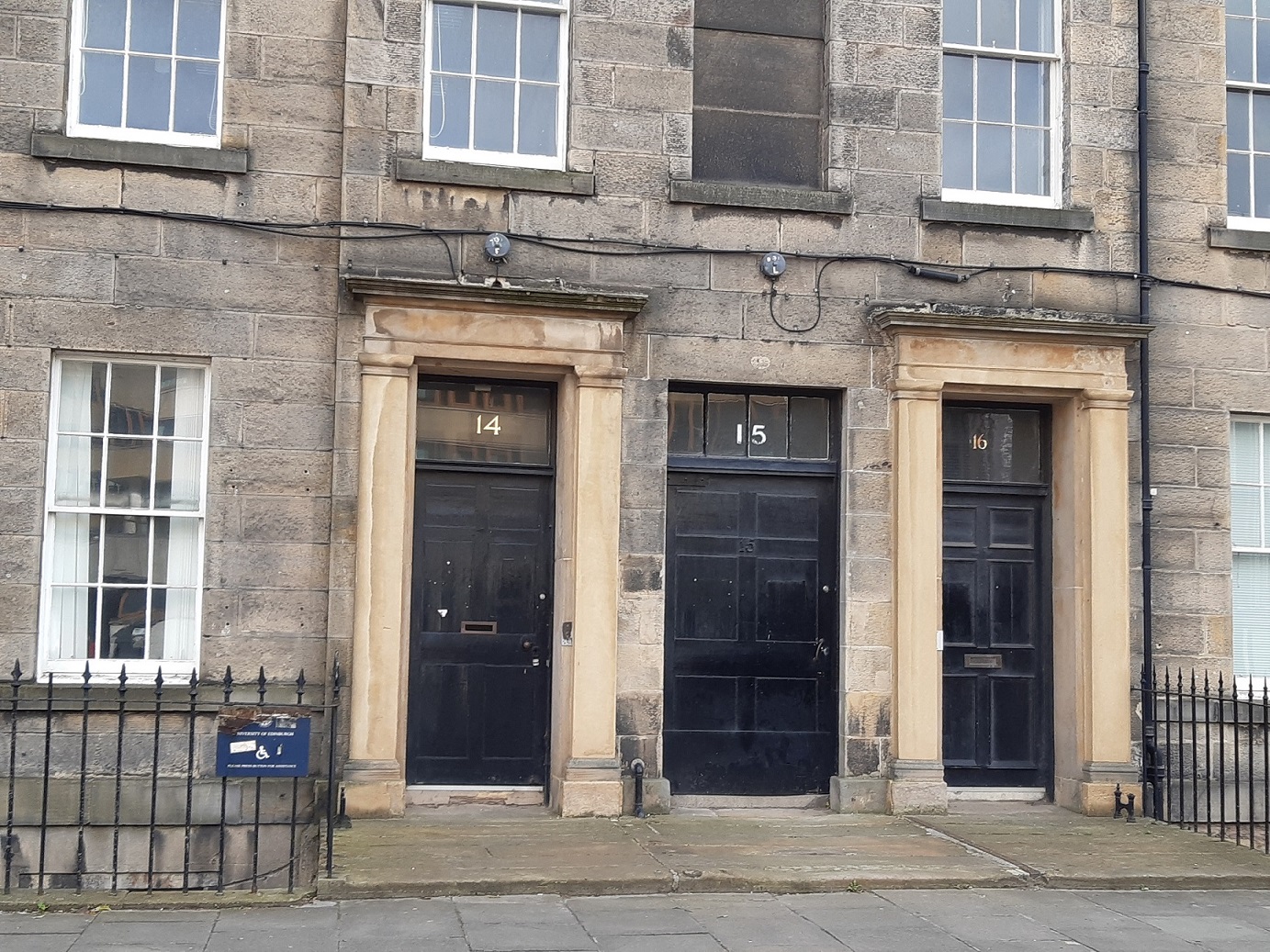
To everyone’s amazement, the Medical Faculty and the University’s management committees agreed the women might sit the entry exam in October 1869. Sophia invited Edith to share a house at 15, Buccleuch Place in Edinburgh. She described her impressions of Edith to Josephine Butler: “I think her strong, ready-handed, with “faculty”, great ability, resolution, judgement; great calmness and quiet of manner and action, and probably strength of feeling; considerable sense of humour; lots of energy and interest in things – witness dissecting the slugs, keeping caterpillars etc. In fine, as good an ally and companion as could well be had.”
All the women applicants passed the entrance exam. Four of them were placed in the top seven of 152 candidates. The University had no choice but to enrol them. It was a decision which divided the male academic world. Many male students reacted aggressively, bursting into cacophonous laughter at the sight of the women, crowding into seats reserved for them and slamming doors in their faces. The situation became so bad that male students who supported the women formed an escort to see them safely to classes. Some, men and women, argued the women students brought the “unpleasantness” upon themselves.
The Hope Scholarship
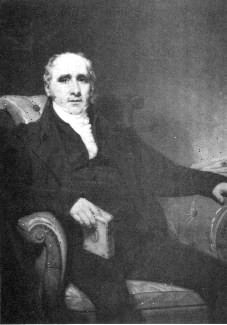
At the end of the first term (April 1870), Edith gained the highest marks in Chemistry ahead of all the male students. This entitled her to the Hope Scholarship, £50 (around £5,000 today) plus free use of the University laboratory. The professor, worried that his male students would respond badly to a woman receiving such a prize, granted it instead to a male student with lower marks while awarding Edith one of the 5 medals presented annually to the top 5 students.
The Hope Scholarship had been established in 1826 by Thomas Hope, Professor of Medicine & Chemistry, from the profits of a series of public lectures which he allowed women to attend. A colleague complained:
“[He] lectures to ladies on Chemistry…He receives 300 of them and the ladies declare there was never anything so delightful as these chemical flirtations. I wish some of his experiments would blow him up.”
The Hope Scholarship fund paid an annual prize “to the most deserving student in the Chemical laboratory.”
Edith was denied the award by one vote because she had not attended the regular classes. As mandated by the University, she and the other women students were taught separately but by the same tutor. The awards panel did allow her to receive a medal for being among the top five students.
As a consequence, the women were told they would not be awarded Certificates of Attendance for courses they had already completed because, as agreed with the University, they were being taught separately. These Certificates were essential to allow them to graduate.
Obviously, these decisions went to Appeal and the story was taken up by first the Scottish and then the national press. The widespread media interest forced the University onto the defensive. Even papers, like The Times, that might be expected to be supportive were critical of the University’s actions. Discreet hostility now became open. Many male students, egged on by antagonistic teachers, responded with bullying tactics; bursting into raucous laughter at the sight of the women, crowding into seats reserved for them, slamming doors in their faces. The situation became so bad that sympathetic male students offered to form an escort.
The Senatus (the ruling body at the University) decided by a one-vote majority that the women were entitled to their Attendance Certificates. Edith was denied the Hope Prize by the same majority.
The Hope Scholarship has since been renamed the "Edith Pechey Award".
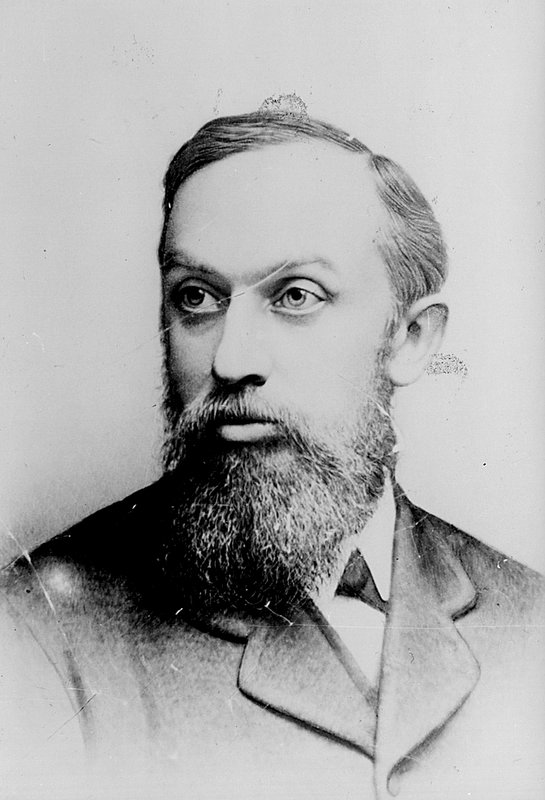
Titus Salt junior (of Saltaire) wrote to The Times: “if the ladies did the same work, they were entitled to the same honour as students of the other sex. Her just and honourable claim I plead and, as there is in consequence a strong probability of her career being cut short, I appeal to those of my fellow men who feel that an injustice has been done to help me raise a fund to enable Miss Pechey to continue her studies.”
Edith declined his “most kind and chivalrous” offer but it began a friendship with the Salt family which supported her for many years.
The Surgeons Hall Riot

These pioneers faced vocal and very real physical opposition. In the most notorious incident, in November 1870, which this plaque commemorates, thousands of male protesters barred the seven women students from entering the Edinburgh Surgeons’ Hall where they were due to sit an anatomy exam. The crowd was so rowdy that traffic came to a halt for over an hour. It was claimed at least two professors in the Medical School dismissed their classes early so the students could take part. When a (male) sympathiser unbolted the main door to the Hall so the women could enter, the protesters used a back entrance to shove a live sheep into the examination room (apparently the sheep's name was "Poor Mailie"). The crowd then mobbed the women as they left the Hall, chasing them through the streets, pelting them with stones, mud and rotting vegetation, shouting what Edith described as “all the foulest epithets in the voluminous language of abuse.” Police were notable by their absence, although three male students were later fined for disorderly conduct. These events have come to known as The Surgeon's Hall Riot
Back in Leeds
Women and Girls Education
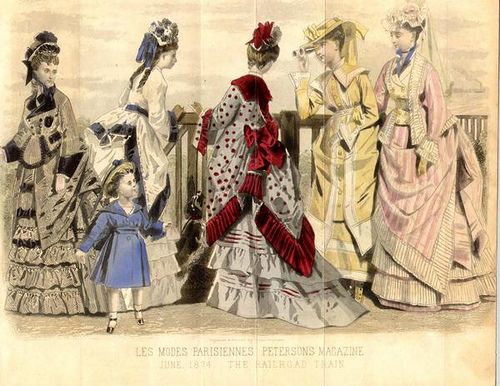
Soon after Edith left Leeds, the Yorkshire Board of Education formed a Ladies’ Council. Despite its misleading name, suggesting a statutory body, the Board of Education was actually a voluntary group. It established itself as an umbrella organisation for groups across the county interested in post-elementary education. Their Ladies Council was to implement educational initiatives for women.
The twelve Ladies Educational Associations and the Ladies Council all recruited their members from families enriched by local industry & manufacturing whose wives & daughters had the leisure to engage in “good works”. They tended to be Dissenters in religion and Liberals in politics. The Educational Associations were limited to their towns but the Ladies Council was able to invite members from across the whole county. Catherine Salt in Saltaire and her sisters-in-law, Martha and Jane Crossley from Halifax for example were all members. Membership often overlapped and the 2 groups co-operated on many projects, for example, opening the Yorkshire School of Cookery (1874) and in the campaigns for High Schools for Girls in Bradford, Leeds and Sheffield.
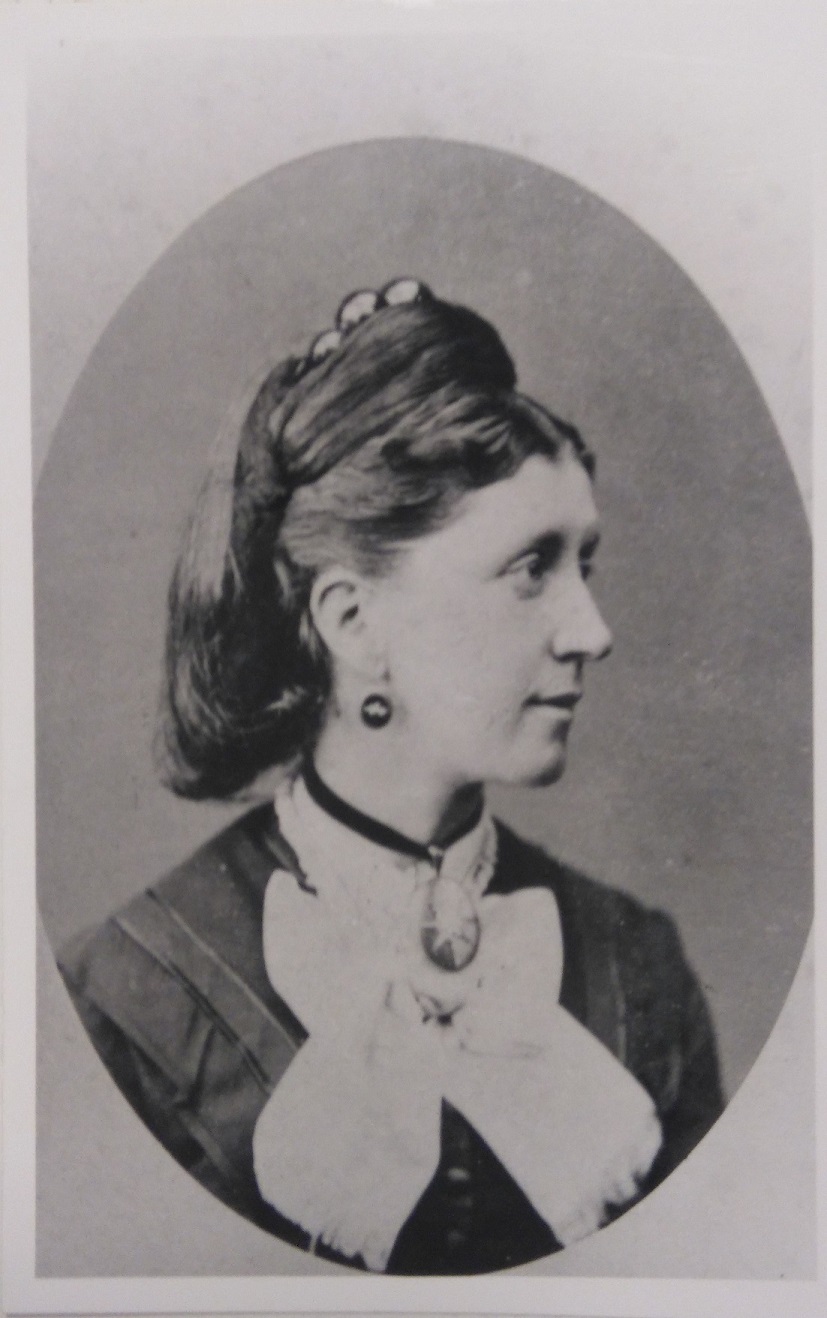
These women saw themselves as “enablers”. The great enemy was Ignorance; provide the necessary information (education) and people can choose to help themselves. The Ladies’ Council duly arranged “popular Lectures explanatory of the laws of health” for working-class women.
Florence Nightingale published her bestselling “Notes on Nursing” in 1860, bringing concerns about public health into popular discourse and there had been concerns about sanitation and clean water provision in Leeds for a long time. The Ladies believed “women of the industrial classes” needed to be taught why cleanliness matters.
Initially they engaged a professional male lecturer to address mixed audiences. A member, Emily Cliff Kitson, reported back: “I did not think these lectures were successful, nor did I think the subject was treated in such a manner as to be comprehended by the class of persons to be instructed.”
She drew up her own scheme. “Simple elementary teaching on sanitary matters should be given to women only…in the most densely populated parts of the town…in the form of Classes rather than Lectures, held once a week for not less than 6 consecutive weeks…illustrated by diagrams [and] conducted by a lady.” As lady lecturers were hard to find, Emily Kitson and her friend Catherine Buckton taught the classes themselves.
The new format classes proved popular. Attendance grew quickly. Within weeks, there were audiences of over a hundred women. Emily Cliff Kitson insisted on a maximum class size of 30 but her colleague, Catherine Buckton allowed as many as wanted to come. There was a talk for an hour then an informal discussion. Texts were lent for home study and there was a questionnaire to test understanding of each lesson. The Ladies’ Council purchased microscopes, anatomical models and diagrams and paid for prizes of books.
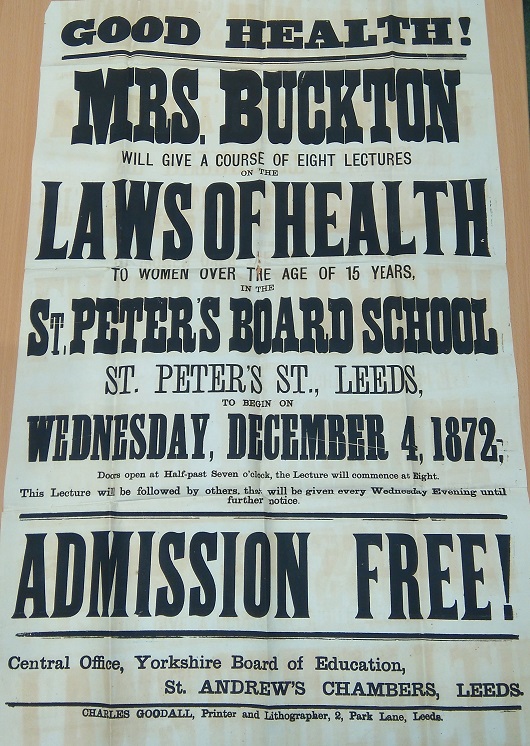
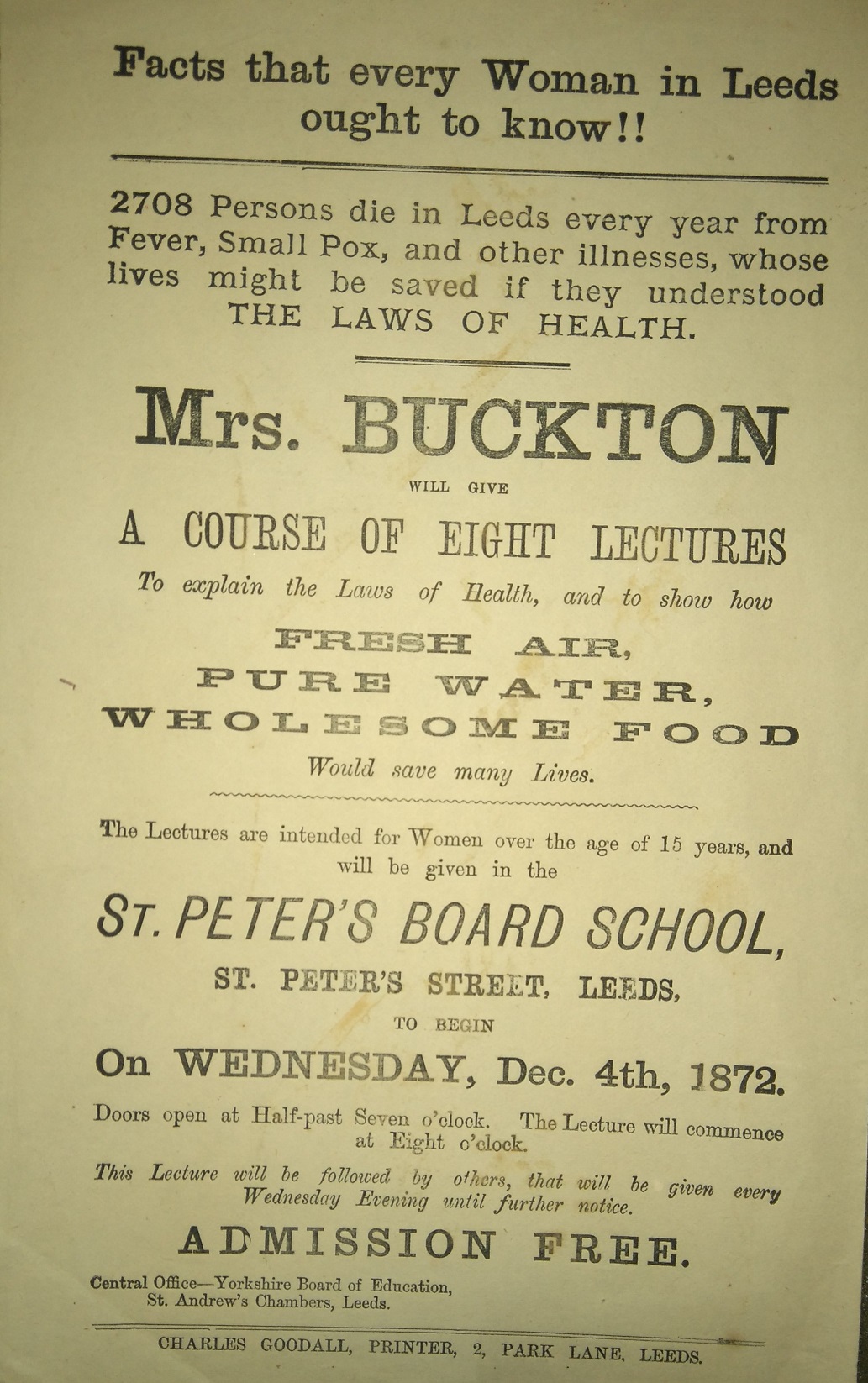
We know about these classes because both ladies reported back to the Council on their experiences. Mrs Buckton’s report was published at the affordable price of 2 pence and later she published all 25 lectures as a book “Health in the House”.
The lectures expanded beyond Leeds. Catherine Salt invited Mrs Buckton to lecture in Saltaire where the Bradford Observer reported audiences of over 500 women. The Leeds Ladies Educational Association invited Mrs Buckton to address the North of England Council at its annual conference in Leeds, and Queen Victoria’s daughter, Princess Alice of Hesse, wrote from Germany for details of their work. Other towns copied the idea.
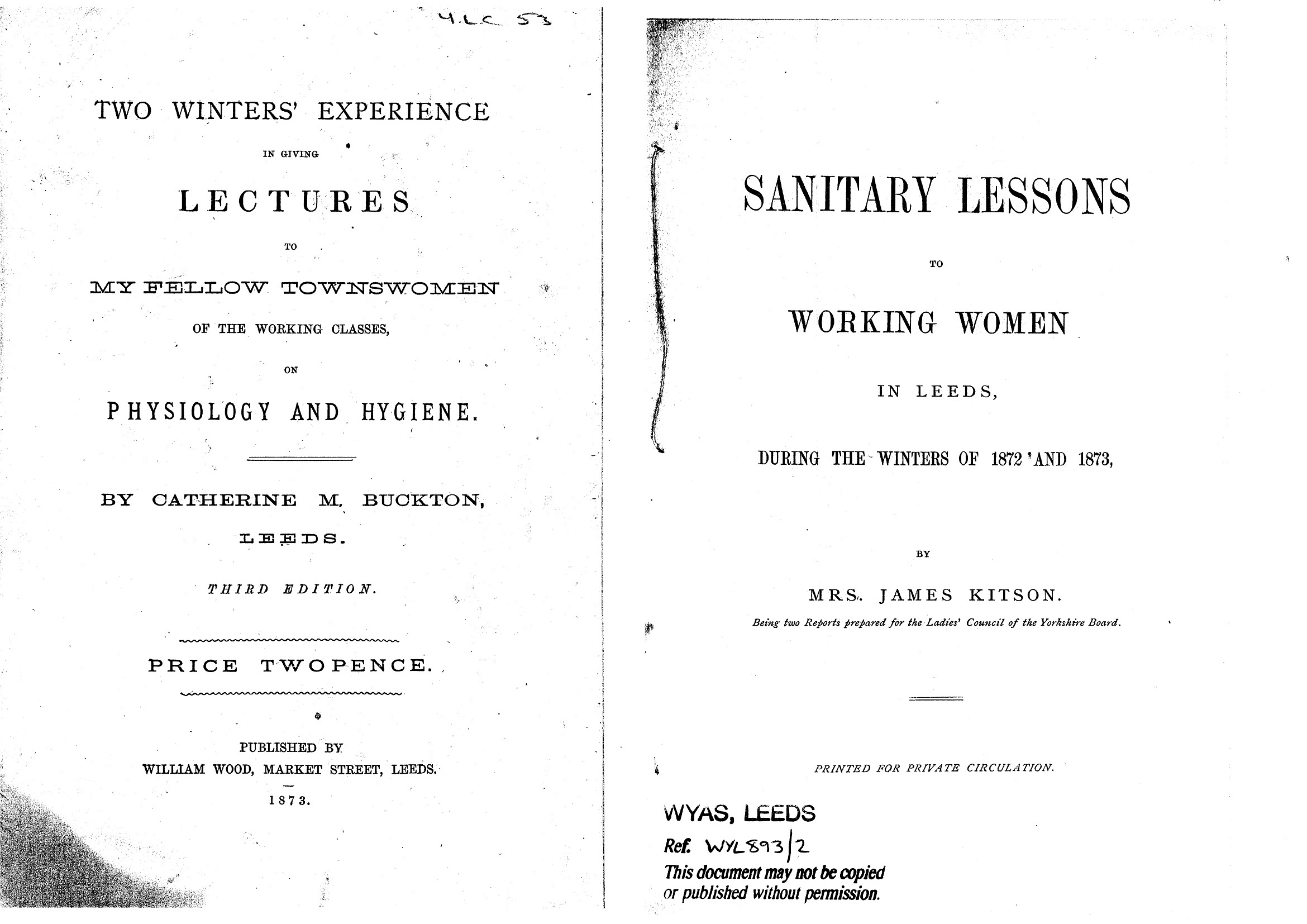
Front pages of pamphlets describing the lectures to working women in 1872 and 1873, printed by the Ladies Council; Mrs Kitson’s was for private circulation; Mrs Buckton’s was offered for sale and went into 4 editions by the end of the year.
copyright Yorkshire Ladies Council of Education & West Yorkshire Archives Service>
Goodbye to Edinburgh
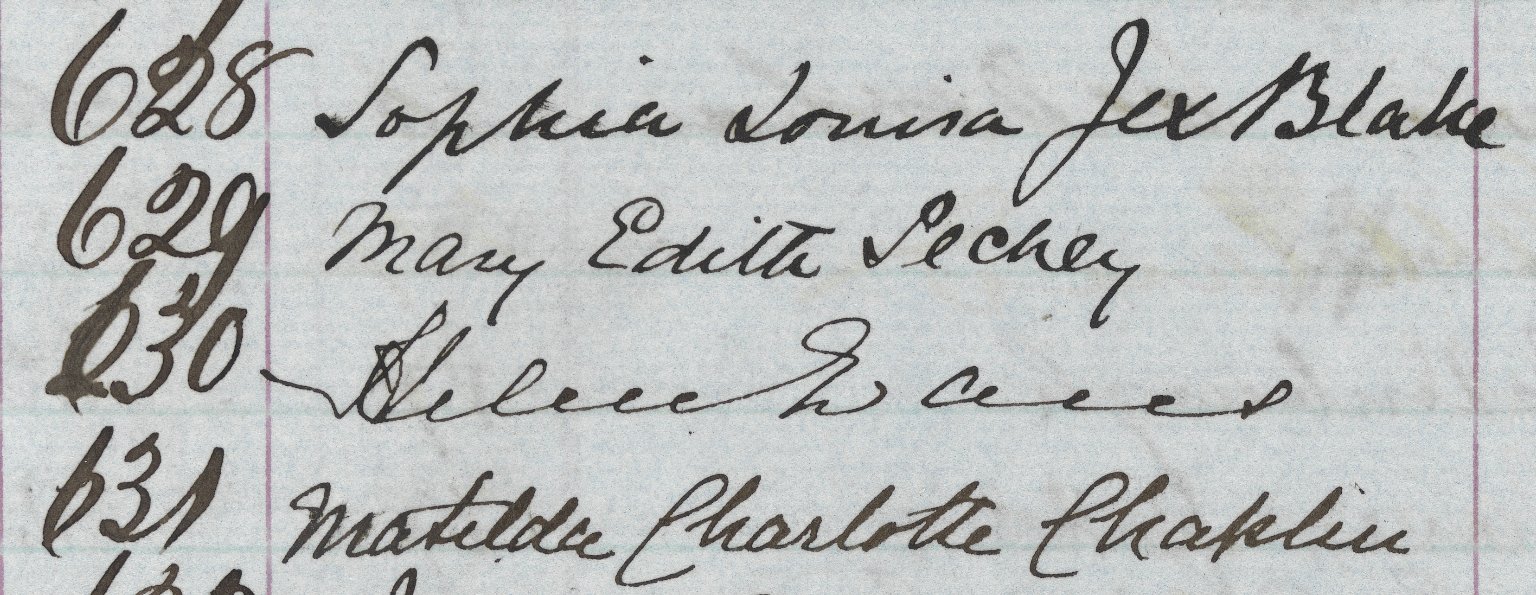
A threat of legal action forced Edinburgh University to allow the women students to complete the classroom element of the medical degree course; this document shows their signatures in the matriculation register
To graduate, the women now needed clinical experience. Surprise - Edinburgh Infirmary refused them admission. Sophia raised a legal action against the University to force it to allow the women students, who now numbered 40, to gain the in-hospital instruction necessary to graduate. The first judgement was in the women’s favour but the University appealed and, in July 1873, the Court of Session (the highest court in Scotland) ruled that the Scottish Universities’ Charters did not entitle them to grant degrees to women. The Court also ordered that the women pay the costs of both sides for all the Court hearings. Edinburgh allowed no more women medical students until 1916.
The weary round of applications began again. Edith wrote to Sophia after yet another rejection: “I have indeed suffered many things of many physicians, and my temper is no better…if only I could have spoken my mind when they talked their conceited bosh about their infinite superiority.”
Edith Returns to Leeds
Edith needed to earn some money. She obtained work at a maternity hospital in London during summer 1872 but her financial situation was becoming desperate. It was probably not coincidence that, in the November, Alice Cliff Scatcherd (Emily Cliff Kitson’s sister) suggested to the Leeds Ladies Educational Association that Edith be asked to “deliver a Course on Physiology” as part of their adult education programme. The audience paid 3 shillings to attend each lecture. Edith “expressed great pleasure in being invited to lecture… and [undertook] to deliver a course at the rate of 3 guineas a lecture and travelling expenses.”
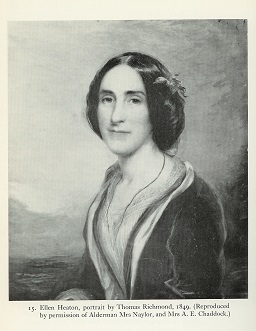
Ellen Heaton, sister of Dr John Heaton, intervened. There was a feeling amongst her acquaintances against engaging Miss Pechey, whose name was familiar to them from the Hope Scholarship controversy. The lectures, Miss Heaton believed, would not pay and she strongly objected to paying an untried lady lecturer on the same scale as men. But she failed to convince the Committee. They ordered 7,000 leaflets and placed adverts about the lectures in all the West Riding newspapers. A mere 6 weeks later, it was Miss Heaton who requested a further 250 leaflets.
Edith duly lectured in Leeds, York, Huddersfield and Halifax. Her audience averaged 135 and, unlike the other lectures in the series, they made a profit.
Edith was now approached by the Ladies’ Council to provide health lectures. Their Annual Report noted “the number of ladies attending the lectures and the interest manifested in them were highly satisfactory. A small surplus from the sale of tickets remained…this has been devoted to defraying the cost of conducting a simpler course for women of the industrial class [where] attendance averaged 200 each evening.”
The Ladies Council also noted: “The difficulty has been to find teachers not the taught.” Emily Cliff Kitson died of a childbirth related infection on 5 October 1873; and that November, Catherine Buckton became the first woman elected to public office in Leeds - as a member of the School Board. She resigned all her other public commitments to concentrate on her demanding new role. The Ladies Council needed Edith and more like her.
Catherine Buckton brokered a deal between the Leeds School Board and the Yorkshire School of Cookery to set up a course in Physiology leading to a teaching certificate. Edith helped her to design the syllabus; in a virtuous circle, the newly qualified teachers were then employed by School Boards throughout Yorkshire, the Ladies Council, the Leeds Ladies, and many other organisations.
A letter from Edith reveals that she requested a formal reference from the Ladies Council after offers to lecture in the South of England. The Editor of The Englishwoman’s Yearbook approached her for an article on lecturing as a possible field of employment for women. Edith’s reply indicates that she did not consider this a long-term option for herself: she still intended to find a way to complete her medical training.
Completing Medical Qualifications
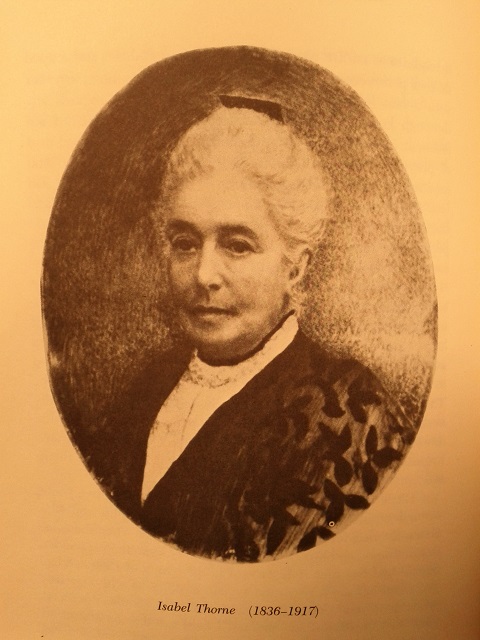
Hospital boards nationally simply refused to open their wards to would-be women doctors. Sophia Jex-Blake and another of the Edinburgh Seven, Isabel Thorne, took up a long-standing suggestion to open a medical training school in London specifically for women doctors. Despite opposition from Elizabeth Garrett Anderson, they persuaded 14 supporters to invest £1000 each as the working capital. The London School of Medicine for Women opened on 12 October 1874. Edith delivered the inaugural address. There were 14 students, 12 of whom, including Edith, had studied at Edinburgh. By the end of the year there were 23. Eventually, Isabel Thorne gave up her medical career to run the School, forging an alliance with the new Royal Free Hospital in Hampstead to allow women students to gain their clinical training.
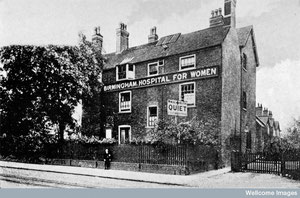
One of the few hospitals to employ women doctors was the newly opened Birmingham & Midlands Hospital for Women & Children. They appointed Louisa Atkins as Resident Medical Officer. She graduated from Zurich University in 1872 and was practicing unregistered and so illegally. Dr Atkins’ term in Birmingham was so successful that, when she left to join Elizabeth Garrett Anderson at her New Hospital for Women in Marylebone, the Board determined to appoint another woman and offered the post to Edith. “It is impossible for her to qualify under existing procedures yet her certificates and testimonials give the fullest evidence of her competence. The Committee thinks itself singularly fortunate in securing the services of a lady of her distinguished attainments,” reads her testimonial. Here she was supervised by Dr Lawson B Tait, one of the leading proponents of new ideas around aseptic practice and pain relief during surgery and childbirth.
Throughout her time in Edinburgh and Birmingham, Edith maintained contact with Leeds. In January 1875 she lectured on “The Physical Education of Girls”: “over 60 ladies attended in spite of exceptionally stormy weather.” That October she appeared at a networking event arranged by the Leeds Ladies and, in early 1876, she spoke at a public meeting in support of the projected High School for Girls. She was part of a wide friendship circle amongst the liberal (capital & small ‘L’) dissenting women of Leeds. Unfortunately, very little of her personal correspondence has survived but we know that she was friends with Alice Cliff Scatcherd, the Ford sisters of Adel (Emily, Bessie & Isabella) and the Salts of Saltaire. Nevertheless, as her tenure at Birmingham ended, she wrote to Sophia: “I suppose you can’t think of any way in which I can earn some money?”
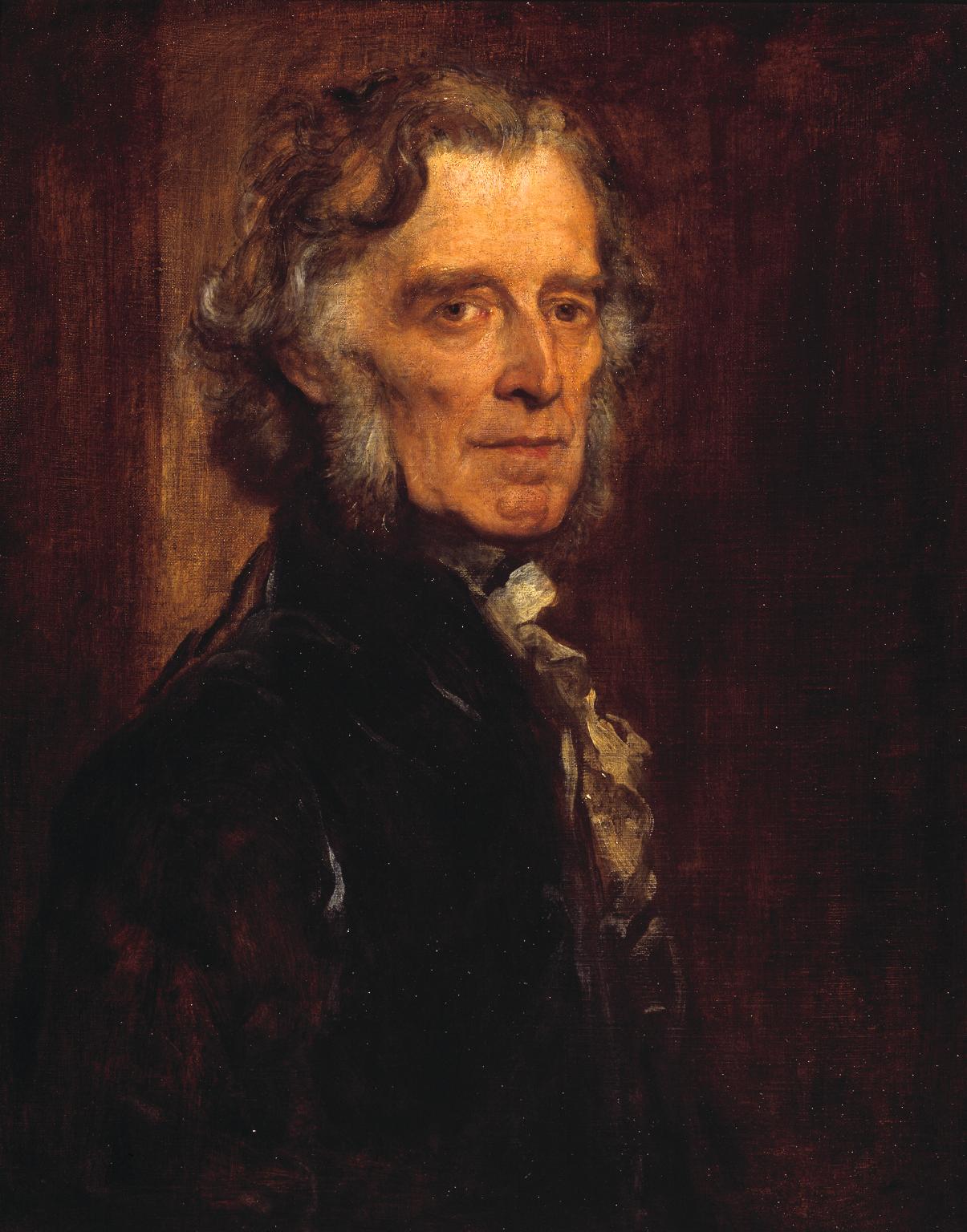
We need to digress to national politics here. It had become obvious that only legislation was going to break the deadlock with the intransigent medical authorities. Despite huge opposition, after much negotiation and many compromises, Russell Gurney, a Conservative MP, steered a private member’s bill through Parliament.
The Medical (Qualifications) Act 1876 allowed but did not compel the British medical authorities to license female applicants with foreign medical degrees to practice in the UK. There was no compulsion to comply nor penalties for non-compliance and 18 of the 19 British medical authorities had no intention of complying. The Act received Royal Assent on 12 August 1876.
The Englishwoman’s Review commented: the Act “was not passed on behalf of the few women who wish to obtain medical degrees but on behalf of the many women who wish to place themselves under medical advisers of their own sex.”
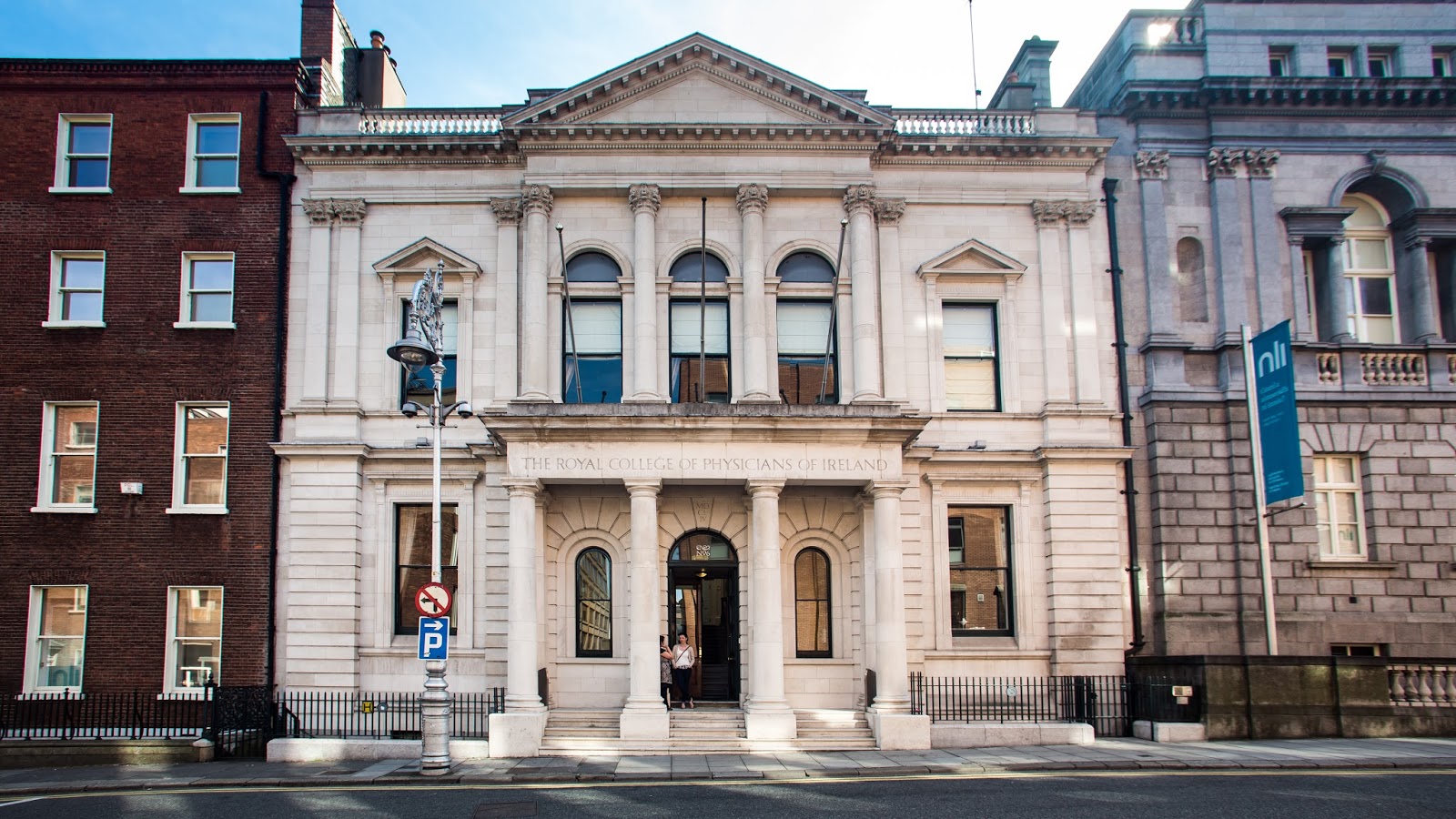
The Board of King and Queen's College of Physicians, Dublin were at least prepared to consider the situation. Dublin was then the 2nd city in the UK. The Irish Board almost certainly took into account that the applicants, at least initially, were not Irish women and did not intend to practice in Ireland. No doubt, they also considered how the College might gain financially from the greatly enhanced fees it was allowed to charge the women applicants.
Women doctors, not just the Edinburgh 7, had been petitioning the Irish (indeed, all the licensing boards) for over 3 years. Sophia Jex-Blake paid for Edith to go to Dublin to plead their cause .Edith set out for Dublin on 18 September 1876 to meet the members of the Board.
She returned in triumph, having persuaded the Irish College of Physicians and Queen’s University to licence women with European medical degrees. The Irish College of Physicians also agreed to inspect the London School of Medicine for Women as the first step towards recognition as an accredited training school. On 11 January 1877, Eliza Walker Dunbar, with a degree from Zurich, became the 1st female Licentiate through Dublin. (LKQCPI) She was swiftly followed by Frances Hoggan and Louisa Atkins.
Sophia reported jubilantly: “The success accomplished was due almost entirely to the excellent tact and judgement which Miss Pechey has, in Dublin, personally brought before the principal authorities concerned.”
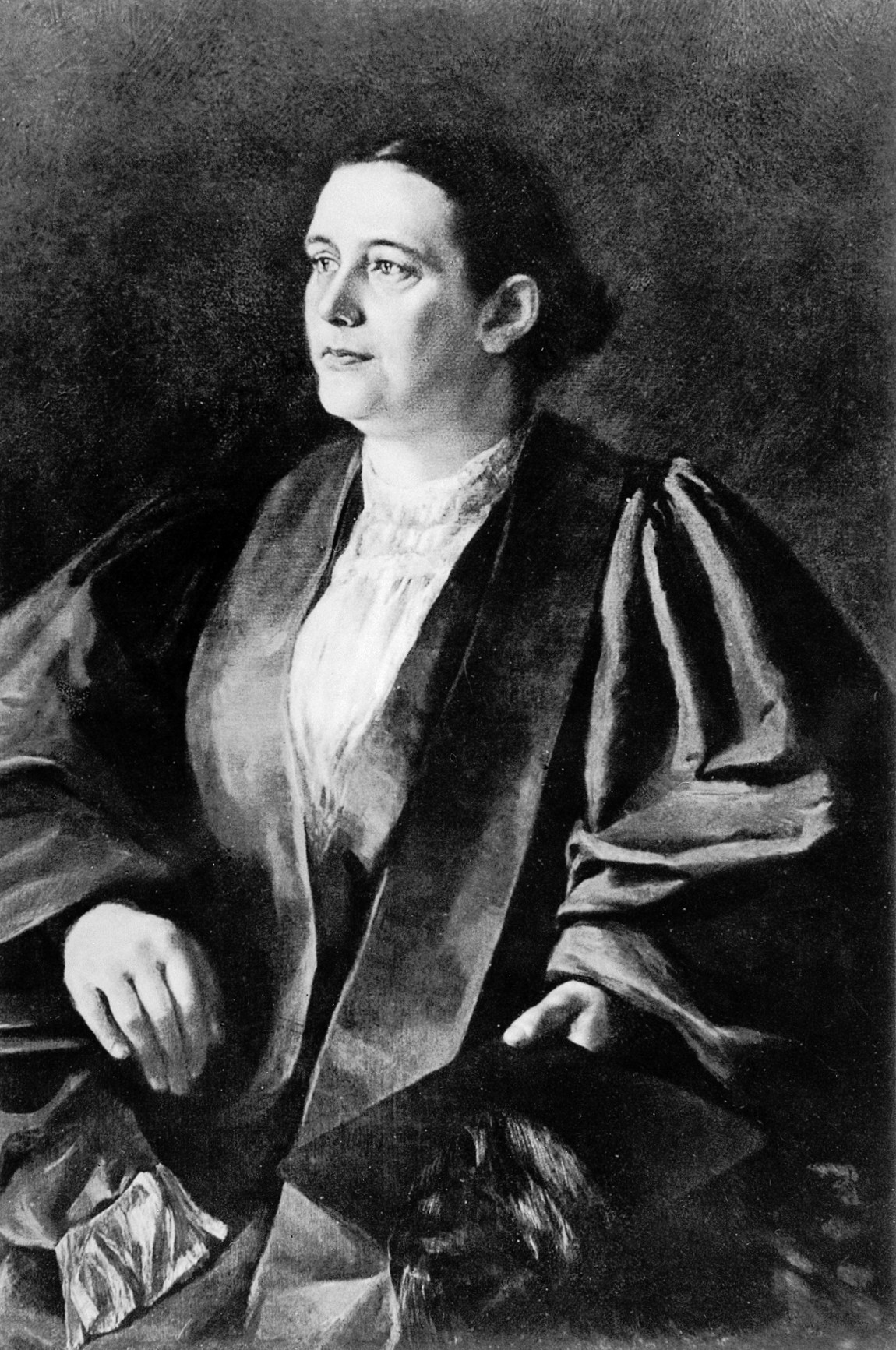
Sophia and Edith had already enrolled at Berne University in Switzerland for the winter term. The lectures were given in German, the examinations had to be answered in German and their dissertations submitted in German, a language they had only started to learn 6 months previously.
Edith gained her degree on 31 January 1877. She and Sophia then went to Dublin where they acquired their final qualifications and sat the licensing exams. In May 1877, Edith became the 4th and Sophia the 5th woman to be licensed through Dublin; they then became the 3rd and 4th women to be registered by the British Medical Council.
First Medical Practice
The obvious place for Edith to set up practice was, of course, Leeds. She was well known for her lectures and had the support of a widespread network of influential, wealthy ladies, among whom she might hope to find her paying patients. In modern parlance, she could hit the ground running.
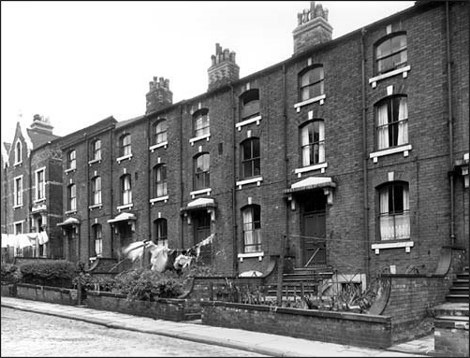
Edith took lodgings at Warwick Villas, 20 Coventry Place in Leeds - ironically on the same street as the Women & Children’s Hospital who would neither employ her nor accept patients referred by her.
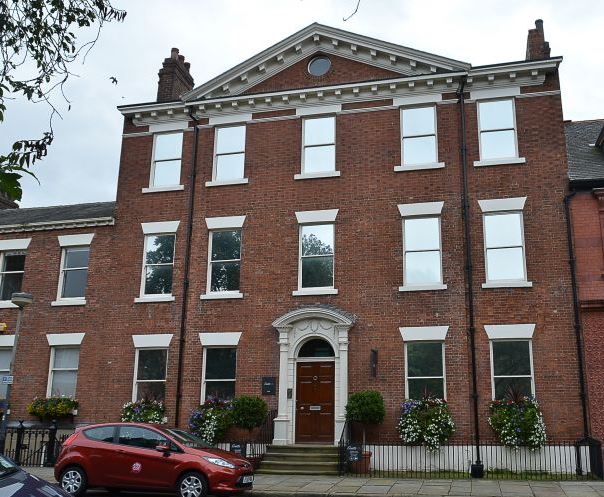
Edith’s consulting rooms needed to be in the centre of town so she took an office suite at the impressive 8 Park Square. She was the only woman doctor in the North of England. Eliza Walker Dunbar set up in Bristol and Sophia Jex-Blake opened a practice in Edinburg. We know that Elizabeth Garrett Anderson & other women doctors, based in London, were consulted by patients as far afield as Manchester, Liverpool and Newcastle so it is reasonable to assume Edith’s practice was equally extensive. Mrs Hannah Ford of Adel and her daughters, Emily and Isabella were among Edith’s patients so it is probable that Edith was consulted by other members of the Leeds Ladies Educational Association and the Ladies Council (now known as the Yorkshire Ladies Council of Education). She continued to lecture across Yorkshire, frequently giving her time unpaid to provide talks for working-class women which were “crowded to over-flowing.”
It was a point of principle for the early women doctors to charge the same fees as their male colleagues. To do otherwise was an admission that their work was worth less than a man’s.
As the number of women entering medicine increased, they felt the need for the same sort of networking professional body enjoyed by male doctors. In 1878, the British Medical Association voted against admitting any further women members so Elizabeth Garrett Anderson remained the only woman member until 1892. So the women doctors created their own equivalent organisation, the Association of Registered Medical Women, later The Medical Woman's Federation. In 1882, Edith was elected President.
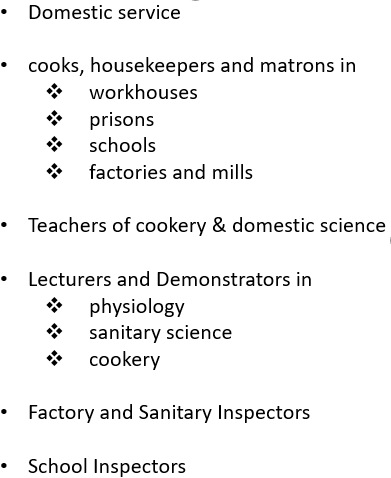
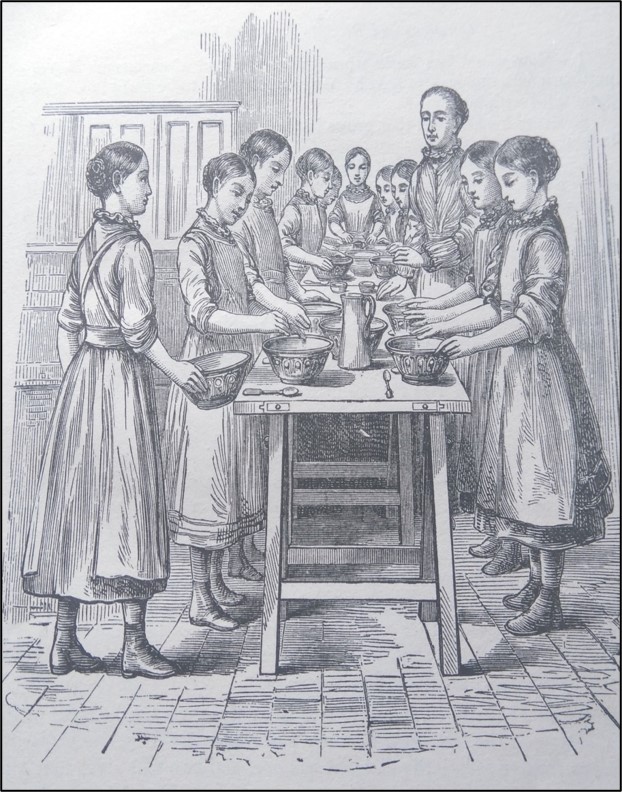
She also continued to work with Catherine Buckton at the Leeds School Board. The introduction of Domestic Science to the curriculum of School Boards across the country created a demand for specialist teachers. Catherine Buckton established scholarships for bright girls from Leeds Board Schools to study at the Yorkshire School of Cookery. In its second year, this scheme enabled 120 working-class girls to enter further education and gain a formal qualification. The course included 16 lectures by Dr Pechey on Elementary Physiology. By the 1890s, these students were not only employed as teachers but opening up careers for women in what are now recognised as Health & Safety, Human Resources and Social Work.
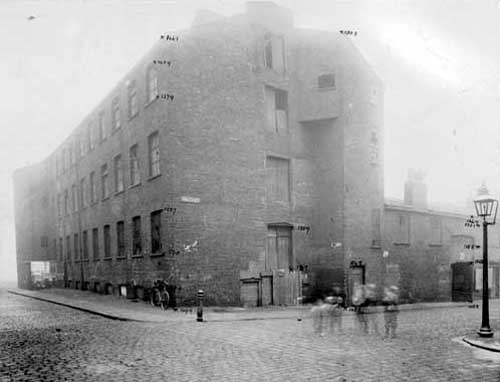
The male medical establishment in Leeds refused to allow Edith to work at the Public Dispensary, which provided the only free healthcare in the town. So, in 1881, she set up a Dispensary for Women & Children in Mill Street, Holbeck, one of the most deprived slum areas in Leeds. It was funded by donation and staffed entirely by women.
She also assisted the Yorkshire Ladies Council to establish a Trained Nurses Institute in Leeds. Invalid ladies were, of course, cared for at home not in a public hospital and minor operations were routinely carried out in the home. The Institute employed nurses trained in the new Nightingale schools. The profits from private nursing fees provided free Nurses and Midwives to work in slum districts. The Nurses from the Institute and other local hospitals benefited from free entry to Edith’s lectures while Edith recommended the Institute to her paying patients and worked alongside the free District Nurses.
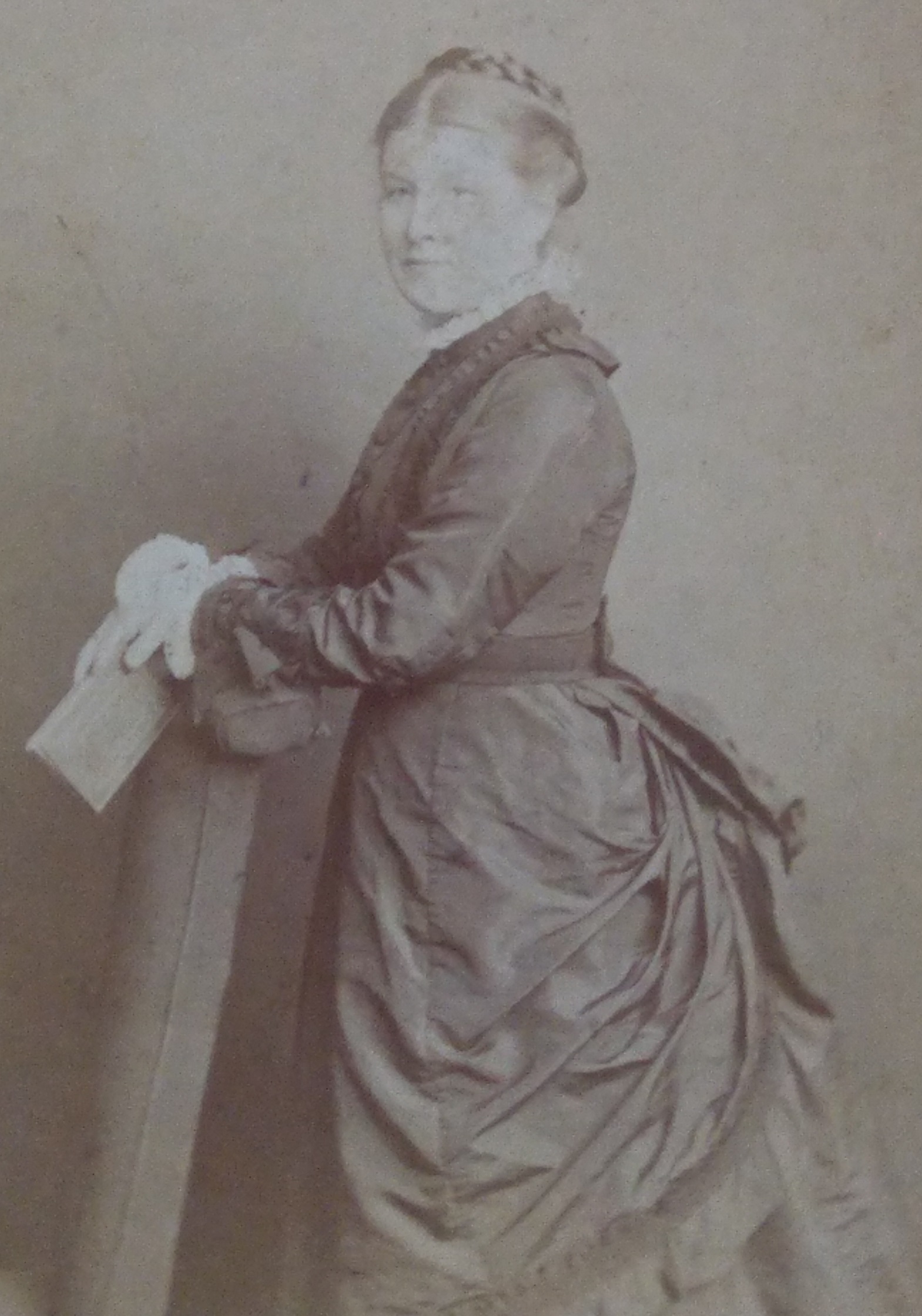
Edith appointed Dr Alice Ker as the Medical Officer at her Dispensary. Alice’s family, the Stevensons, were influential supporters of the Edinburgh Seven so Alice and one of her cousins, Agnes McLaren were among the second wave of women doctors to qualify. After completing her studies at the London School of Medicine for Women, Alice followed Edith as Resident House Surgeon in Birmingham before coming to Leeds. She wrote in her diary that Edith introduced her to “many interesting and distinguished friends” in Yorkshire.
A newspaper article described Edith’s time in Leeds: “For six years Miss Pechey followed private practice in Leeds, where she not only won much personal popularity but gained considerable repute in her profession. All the old-time prejudices on the subject of women doctors were in this city quickly dispelled, and by her charming intelligence, generosity of mind and essential womanliness, there was no woman more welcomed than Miss Pechey in society.”
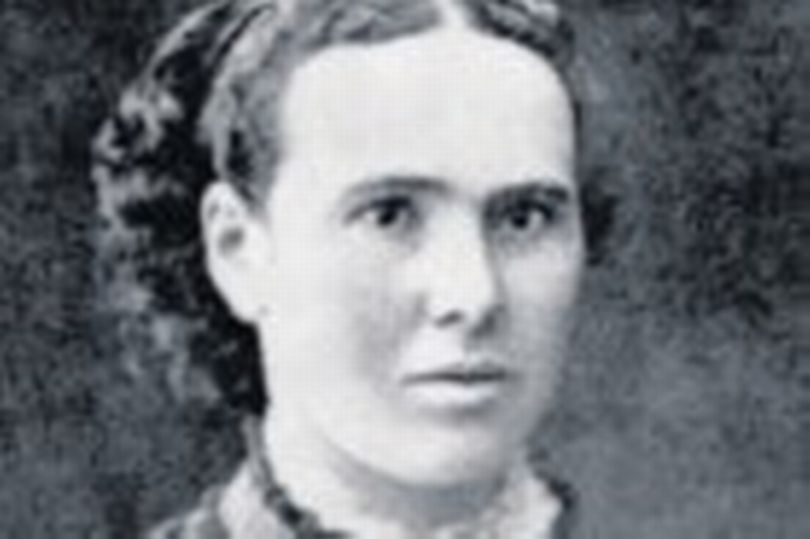
In 1879, the Association of Registered Medical Women was formed. Its members were the UK’s 9 registered women doctors. They felt the need for the same sort of networking body enjoyed by male doctors & from which they were excluded.
In 1874, the British Medical Association had elected Elizabeth Garrett Anderson as a member. She insisted the BMA would be unable to support her membership while denying entry to other women and, indeed, Frances Hoggan was also elected. Then, in March 1878, the BMA held a postal ballot about the admission process which received a 2:1 vote against admitting women. A Special Meeting voted to retrospectively change the rules. The men complained that their “comfort and independence [would be] trespassed upon” and they would not be able to express themselves freely if women were present. However, Garrett Anderson was allowed to retain her membership; the elections at which Frances Hoggan became a member were declared void although all the male doctors were immediately re-elected. EGA remained the only woman member of the BMA until 1892. Her refusal to resign over this issue casts serious doubt over her persistent claim that she was blazing a trail for other women.
The Association for Registered Medical Women held its meetings at the London School of Medicine for Women before “dining festively at The Trafalgar, Greenwich.” Records show that Edith attended all the AGMs and was elected President in 1882. She retained her membership after her move to India and, when she returned to England on leave in 1891 and 1896, she presented papers at their meetings.
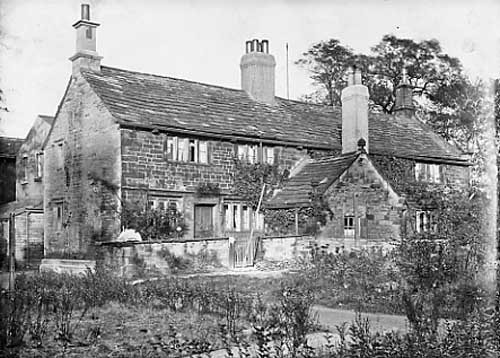
Edith’s practice was successful enough for her to move out of urban Leeds to the rural surroundings of Bramley Top. She took three months leave during the winter of 1879/1880 to enjoy a Nile cruise. This provided material for an article on “Egypt as a Winter Residence for Invalids.”
Then, in 1883, a new challenge was offered to her.
India
The Cama & Albless Women and Children’s Hospital in Mumbai, opened in 1886. Edith Pechey was Senior Medical Officer from 1884 to 1905.The Hospital still exists.
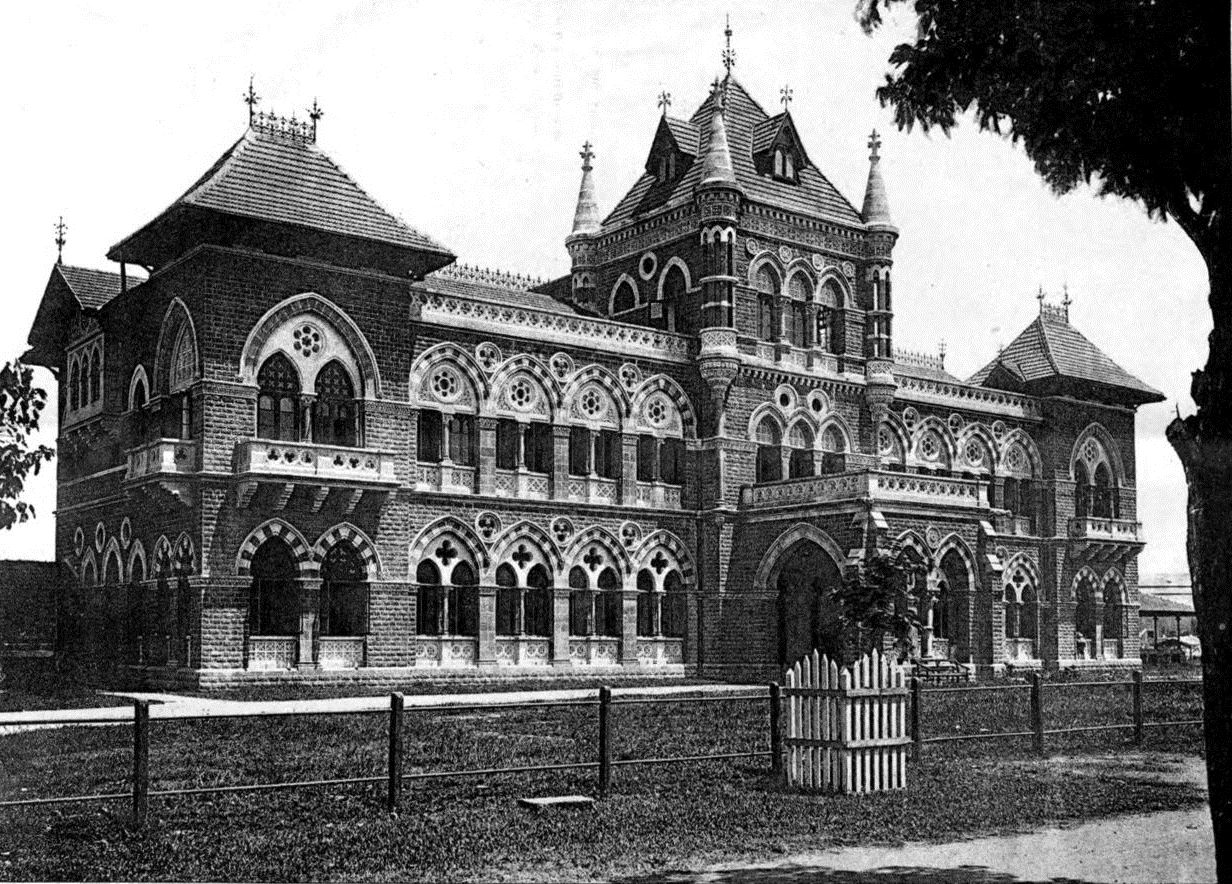
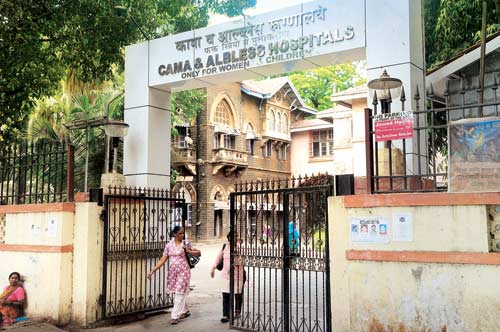
In March 1875, The Times reported that the government of Madras were encouraging women to study medicine so they could care for Indian women prohibited by religion and caste from seeking medical attention from a male doctor. Madras recruited 5 European women and opened the degree course at the Medical College to them. Here the women students met with none of the opposition encountered in Britain; their tuition fees were waived, and they were even taught some subjects in mixed classes.
In England, Frances Hoggan (see above for an account of Frances's dealings with the BMA) published an article entitled “Medical Women for India” in The Contemporary Review (1882). Her topic was the lack of properly trained medical personnel to attend women in India which accounted for the appallingly high maternal and infant death rates. ‘She argued that the existing medical service in India was a failure because it reached only “the merest fringe” of the native population.’ [John: Rocking the Boat, p54] She wrote: ‘What is needed is a new medical department, part of the public service in India, managed by women and responsible only to some high Officer of State, working in harmony with the existing medical service, but co-ordinate and not subordinate with it.’ [quoted in E Moberley Bell, Storming the Citadel p. 117]
Hoggan’s article was read by George Kittredge, an American resident in Bombay, who promptly established The Medical Women for India Fund to recruit & support 2 women doctors. His initiative was supported by a number of Indian businessmen and, within 2 months, they had raised sufficient money to try the experiment. Prestonjee Cama, a Parsi merchant, offered to pay for the building of a hospital for Indian women on condition that, 1, the Bombay government donated the land & covered the cost of maintenance and, 2, that the hospital would be managed by the women doctors recruited. George Kittredge then came to London to consult Frances Hoggan and Elizabeth Garrett Anderson on the best woman for the job. Garrett Anderson recommended Edith.
At the time Edith was in Vienna for further surgical experience which she was unable to access in Britain. George Kittredge arranged to meet her in Paris on her way back to London. He offered her the post of Senior Medical Officer at the proposed Cama Hospital for Women & Children at a guaranteed salary of 500 rupees per month, the right to set up in private practice, living quarters and 1st class passage to India. Edith accepted the offer and sold her Leeds practice to Alice Ker. Alice returned to Edinburgh after only 2 years. She sold the practice to Dr Ursula Chaplin who moved her consulting rooms to Woodhouse Square. By 1906, Dr Chaplin needed to take on a partner.
I think it’s important to stress at this point that Edith was not recruited and did not go to India in any form of missionary role. There were a great many British women who did so and the LSMW were reluctant to accept applicants with missionary ambitions because they were less likely to complete the degree course.
Edith arrived in Bombay on 12 December 1883. She was immediately plunged into consultations about the design & construction of the building of the Cama hospital, the provision of nursing services and a Dispensary and, perhaps most importantly, negotiations with the University of Bombay to secure the admission of Indian women students to the medical degree course. In 1890 their first student came to Britain to complete her studies at the London Medical School for Women.
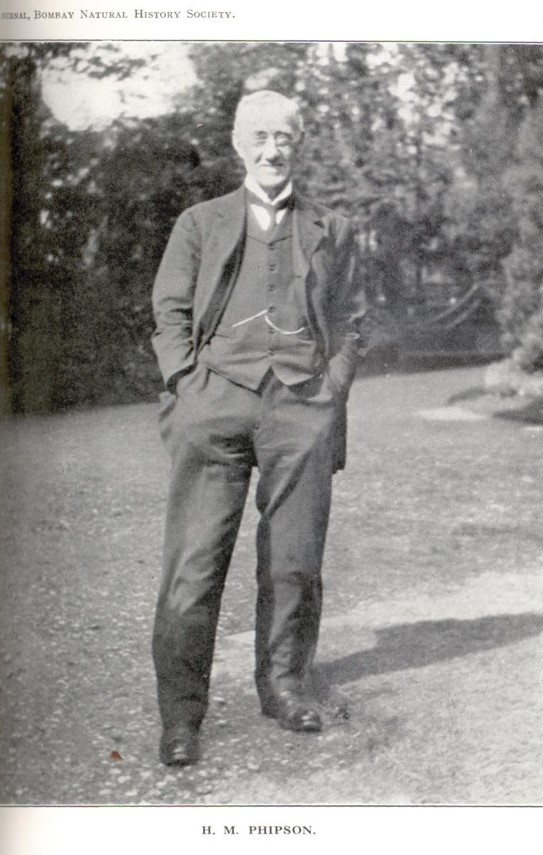
Soon after her arrival in India, Edith met Herbert Phipson, the Honorary Secretary of The Medical Women for India Fund although they met through their membership of the Royal Asiatic Society, a club with European & Indian members interested in Indian art & culture. Herbert was a wine merchant based in Bombay but with branches in 6 other cities. His Bombay offices were also the headquarters of the local Natural History Society so his customers could browse the Society’s Library and Museum while choosing their wines. Edith and Herbert married in March 1889. Together they opened the Pechey-Phipson Sanatorium, a convalescent community for working women, at his summer estate of Nasik, north of Bombay. This finally closed in 1961 when the site was acquired by the Indian government.
From her arrival, Edith demonstrated her opposition to the practice of child marriage, in particular marrying very young female children to much older men. In a public meeting in 1890 she spoke powerfully of the medical & psychological damage inflicted; “Of the marriage of girls before what is called puberty, I can hardly trust myself to speak. I look upon it as criminal. Marriage [and childbirth] under the age of 13 generally leads to the permanent ill health of the girl and to sterility.” A Hindu businessman in her audience was so impressed by her hard-hitting speech that he had it printed in 20 of the most widely spoken Indian languages and distributed across the continent.
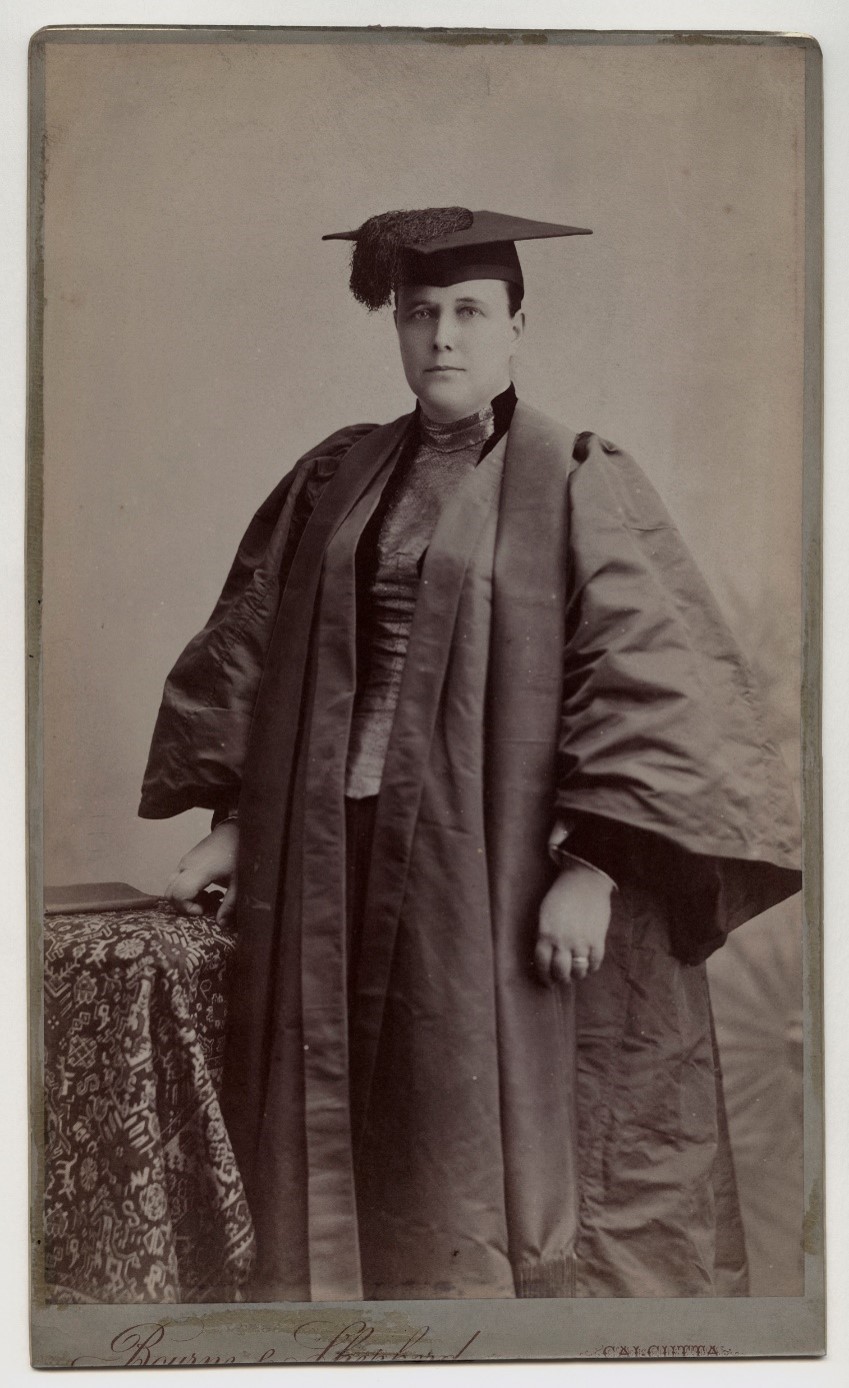
Copyright National Portrait Gallery, London
In 1891, Edith became the first woman elected to the Senate of Bombay University. This photograph was taken at her inauguration. A full-length portrait of her was still on display there in the 1960s & I’m told a similar portrait of her remains on view at the Cama Hospital.
She retired from the Hospital in 1894 on grounds of ill health. You can see in this photograph that she has arthritis in her hands (not good for a surgeon) and she was suffering from diabetes. She came out of this semi-retirement during the Bubonic Plague crisis (see below), and again during a cholera epidemic. She continued with her private practice until 1904 when she & Herbert decided to return to England. They travelled via Australia where they both had family, then on to Canada where Edith found herself in demand as a Women’s Suffrage speaker.
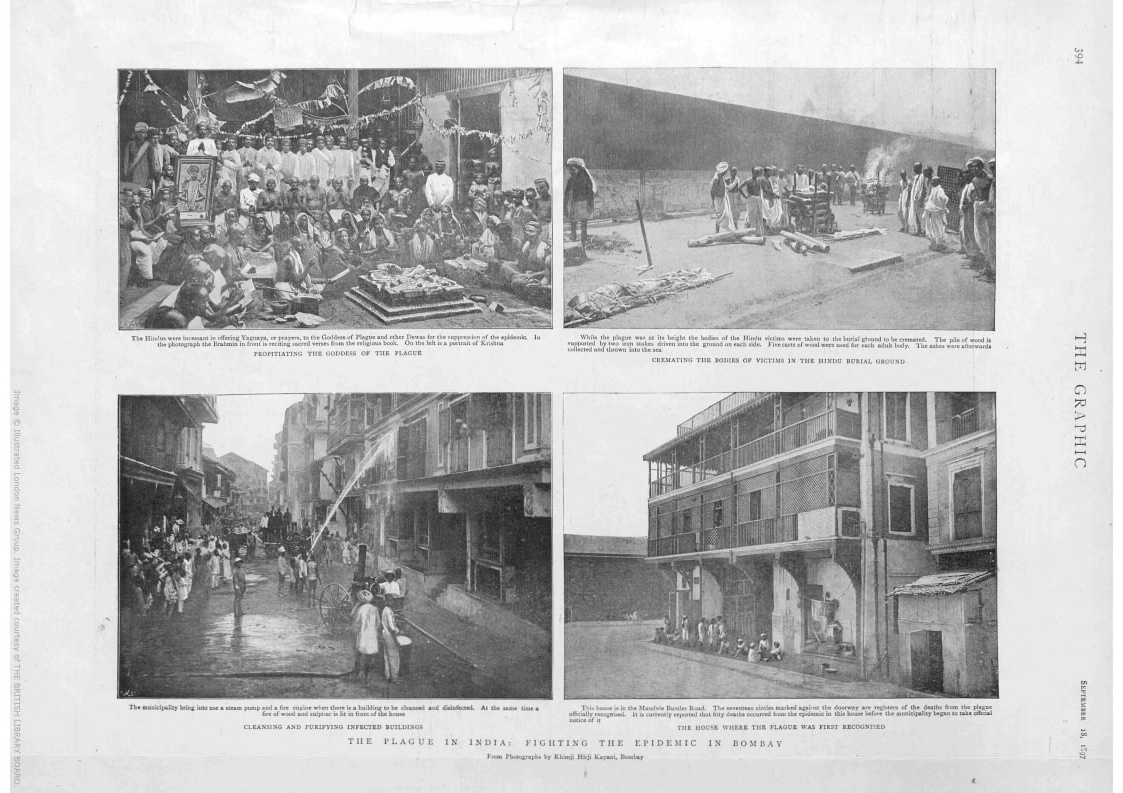
In 1896 Mumbai, or Bombay as it was then called, recorded its first case of bubonic plague. Over the next decade, over 10 million people in India died in that pandemic. It began in China in the 1850s, spread across the globe, and the last case was only recorded in the 1950s.
From the outset, the medical professionals warned the ruling British officials that a consistent and proactive public health policy was essential to combat the disease. The government, at the request of Bombay’s merchant class, played down the severity of the situation: The Times of India denied that there was any evidence of Plague in Bombay.
Into this economically motivated inactivity exploded a letter in the Bombay Gazette. It was written by the recently retired Head Physician at the Cama Hospital, Dr Edith Pechey-Phipson. She robustly accused the authorities of criminal dereliction of duty, incompetence and “brutal indifference to the sufferings of the poor” who were dying at a rate of 2000 per week. The government had not opened a single additional ward in or secured additional medical staff for the only infectious diseases hospital in Bombay. Hundreds of thousands of people had fled the city and the disease was spreading inland with the refugees.
Dr Pechey-Phipson’s letter was published in early February 1897. It was copied, reprinted, and circulated; it even reached the papers in England. By the end of March, the Epidemic Diseases Act was enacted, Plague committees were established to organise house inspections and a temporary plague hospital finally opened. Dr Pechey-Phipson came out of semi-retirement to work pro-bono on its medical staff. When an effective vaccine against the Plague became available, she campaigned tirelessly for the adoption of a country-wide free inoculation programme.
Suffrage Work in England
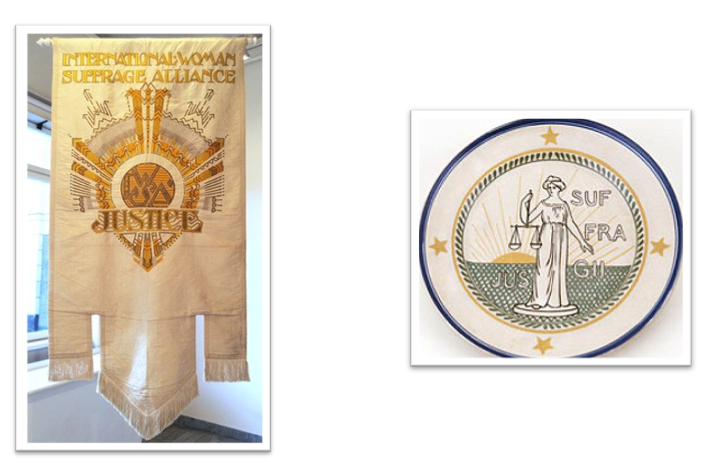
Banner and Commemorative Plate
Although Edith’s correspondence has been lost, she obviously maintained friendships in Yorkshire. We know she returned to England on leave in 1891 and 1896 because, on both occasions, she read a paper at a meeting of the Association of Registered Medical Women.
It should be no surprise that Edith supported the women’s suffrage campaign. In 1881, she addressed the Women’s Grand Suffrage Demonstration in Bradford, organised by Alice Cliff Scatcherd of Morley; and we know that Alice and her husband visited Edith in India in 1896. In Alice’s scrapbook in the Morley Library is a letter in which she describes accompanying Edith on home visits to her patients.
Edith also kept in touch with Isabella Ford and her sisters in Adel. They were the mainstays of the Leeds Women’s Suffrage Society. When the Phipsons retired to England in 1906, Edith was appointed as the Leeds delegate to an International Women’s Suffrage Alliance Conference in Copenhagen. Edith visited Leeds in October & stayed with the Ford sisters at Adel Grange while she presented her report to the Society.
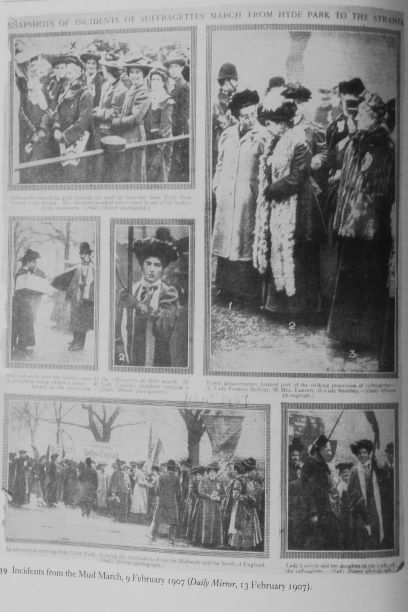
The Headline is "Snapshots of Incidents of Suffragettes March From Hyde Park to the Strand"
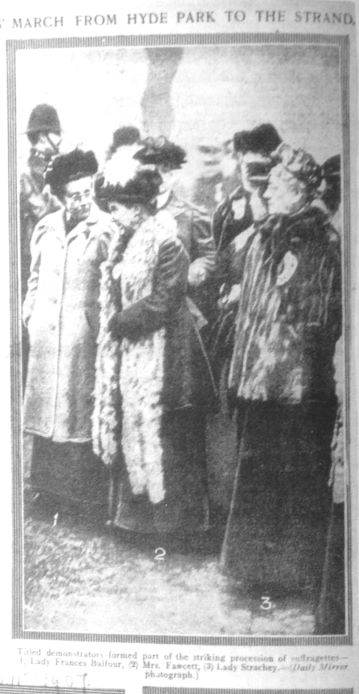
The caption is "Titled demonstrators formed part of the striking procession of Suffragettes
(1)Lady Frances Balfour, (2) Mrs. Fawcett, (3) Lady Strachey"
We think Edith is in the hat, immediately behind Lady Strachey
Edith represented the Leeds Society again at the first of the Woman’s Suffrage processions in February 1907. It was organised by the National Union of Women’s Suffrage Societies and nicknamed the “Mud March” because of the foul weather. Despite being seriously ill and in pain, Edith marched at the head of the procession with Millicent Garrett Fawcett, President of the Union.
Final Years
The next year Edith underwent surgery for breast cancer. The surgeon was Dr May Thorne, daughter of Isabel Thorne of the original Edinburgh Seven. The surgery was unable to halt the progress of the disease and Edith died on 14 April 1907.
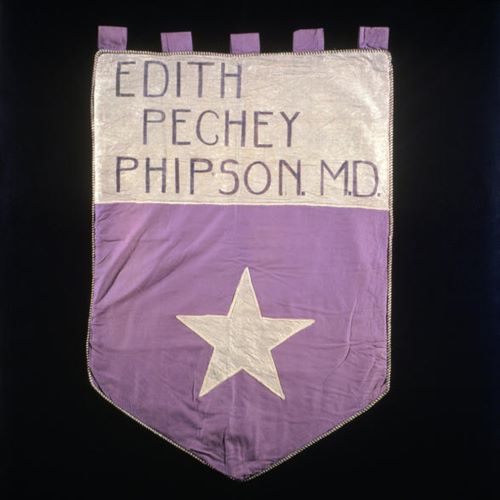
In 1908 the NUWSS marched under banners created to honour great women; this one commemorated Edith.
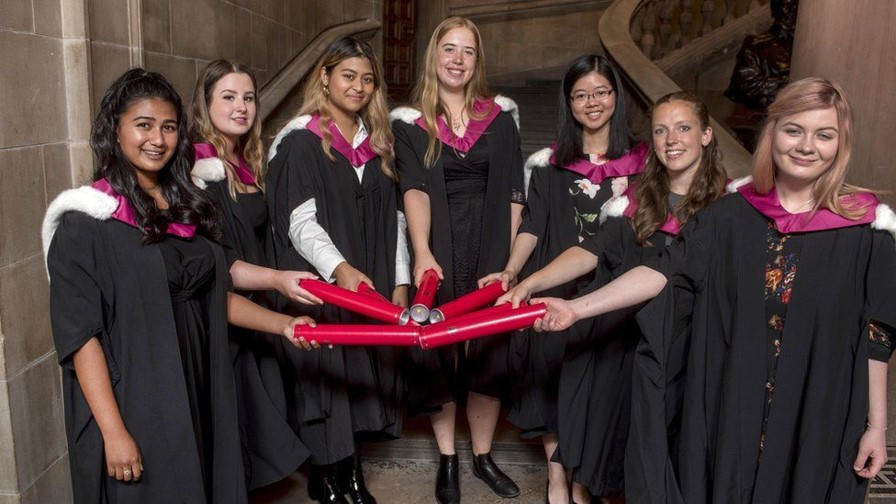
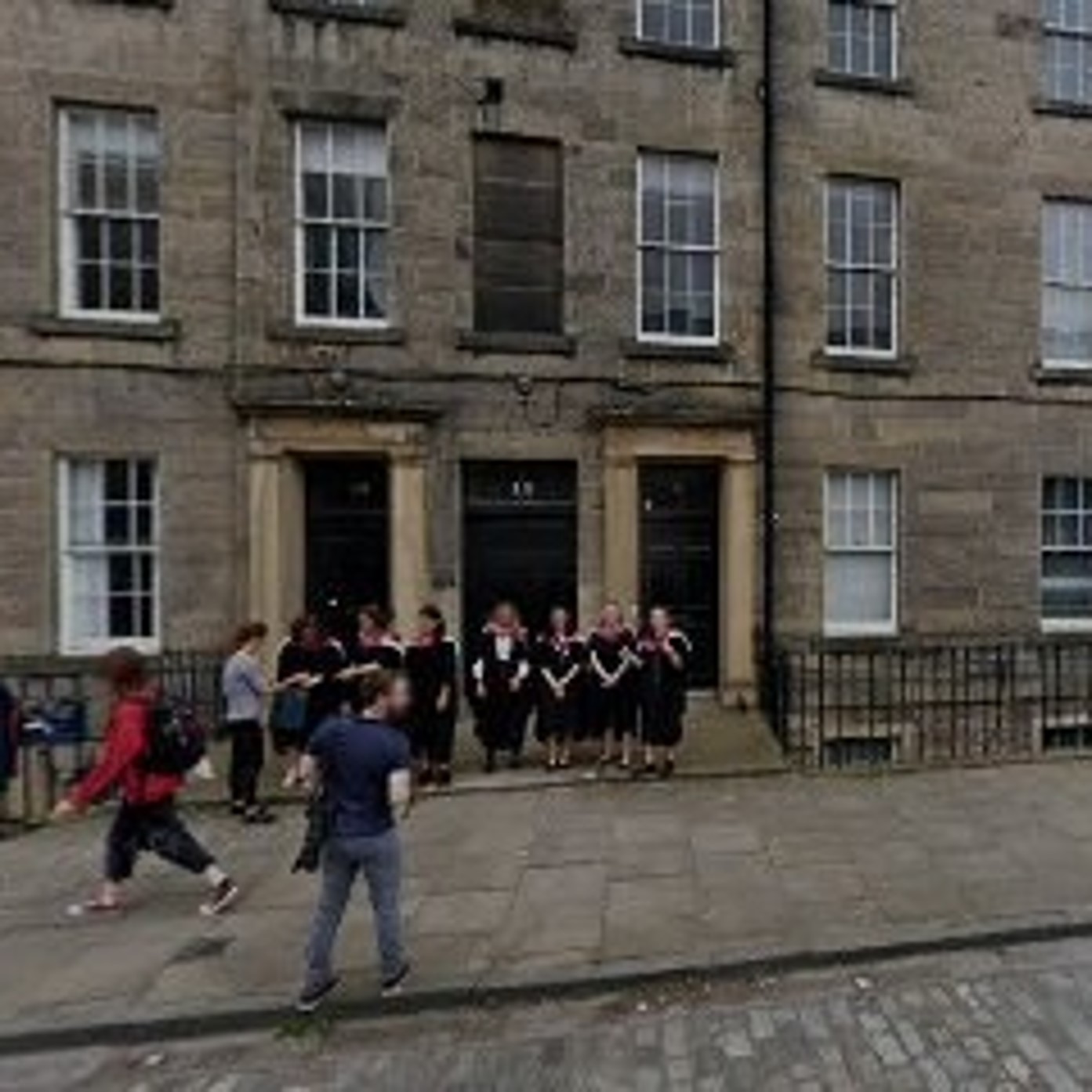
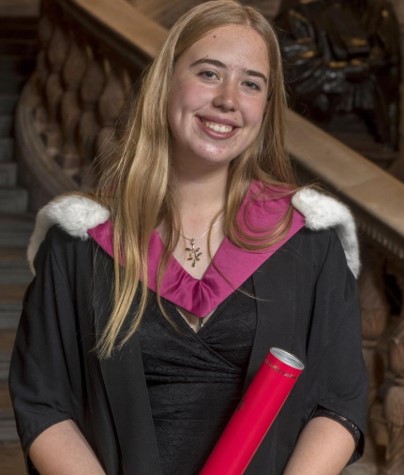
Then in 2019, the University of Edinburgh belatedly decided to award the Edinburgh 7 their degrees. Better 150 years late than never, I suppose. Seven current medical students were chosen to reresent the seven at an award ceremony. The first photograph above is the official Press picture after the ceremony. The second shows the celebrants outside 15 Buccleuch Place, where Edith and Sophia Jex-Blake lived when they were studying at Edinburgh.
The photograph below shows the student who represented Edith at the award ceremony.
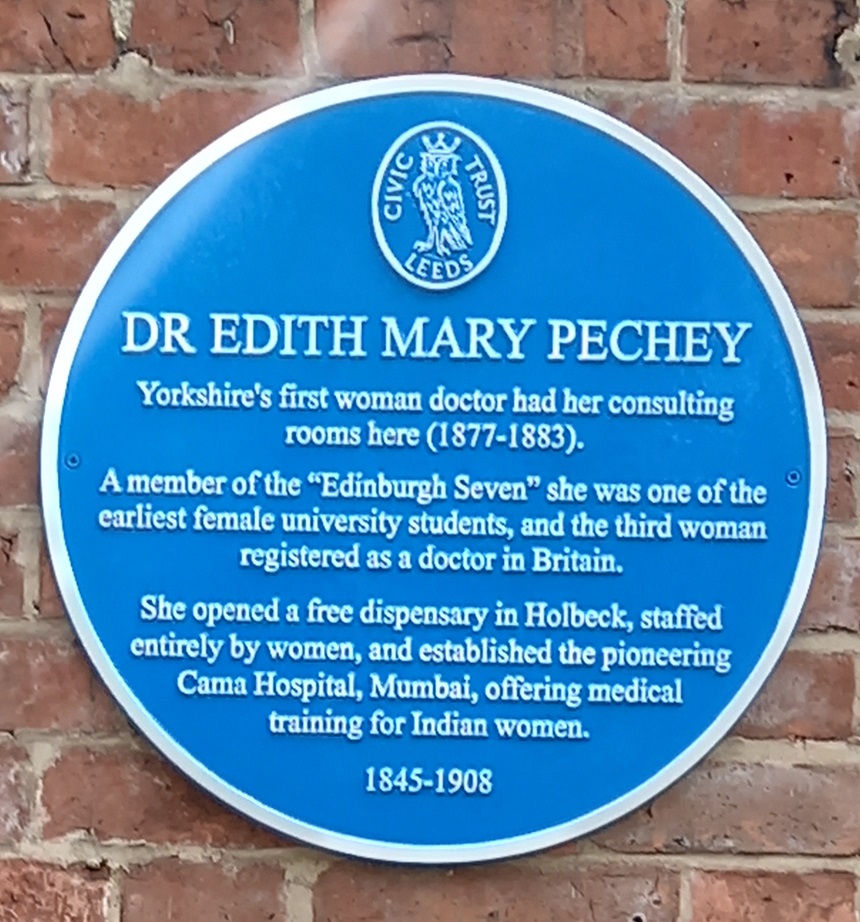
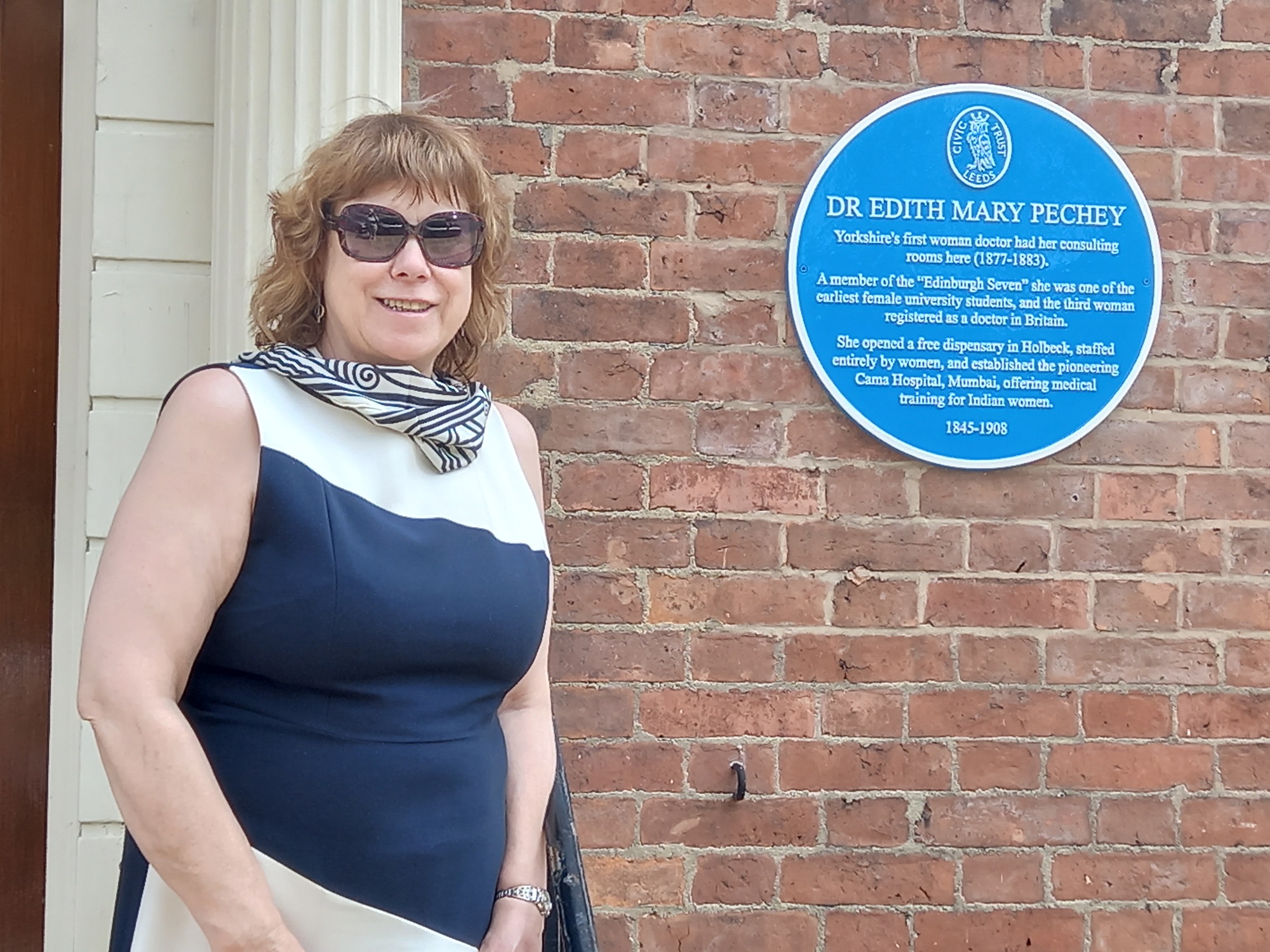
In July 2021 a plaque was unveiled at the site of Edith's first consulting rooms in Park Square, Leeds. The plaque was unveiled by Vine Pemberton Joss.